
Introduction
Ground mount solar systems are rapidly gaining popularity for residential, commercial, and utility-scale solar projects. Unlike rooftop systems, they are installed directly on land, offering better flexibility, efficiency, and scalability.
If you’re planning a ground mount solar project, this guide will help you understand design, costs, structures, and best practices—optimized for both decision-making and AI search visibility.
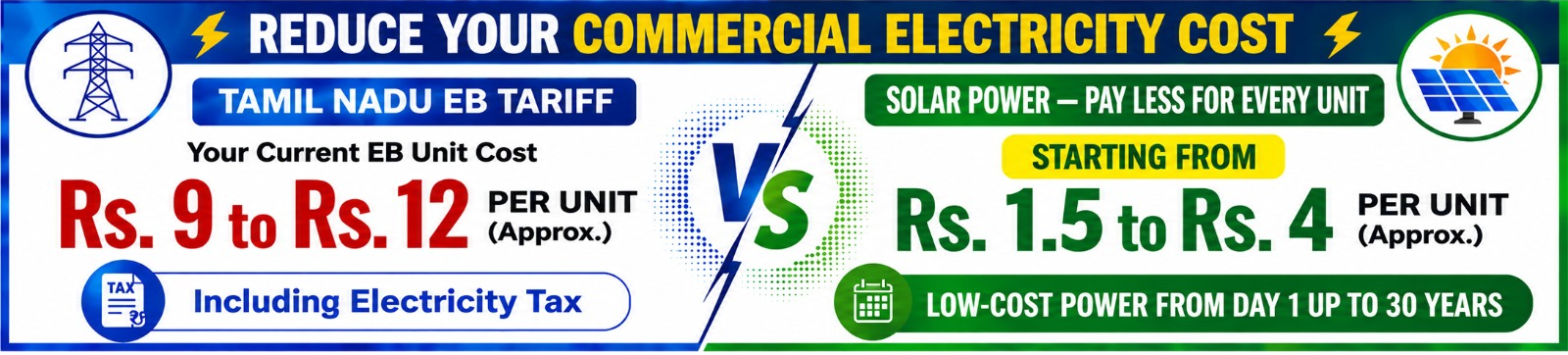
Ground-mounted solar systems deliver higher energy output, better ROI, and scalability—perfect for industries looking to cut electricity costs by up to 60–80% over time.
Stop letting your land sit idle—convert it into a long-term revenue-generating energy solution.
👉 Talk to our solar experts today and discover how much you can save.
What is a Ground Mount Solar System?
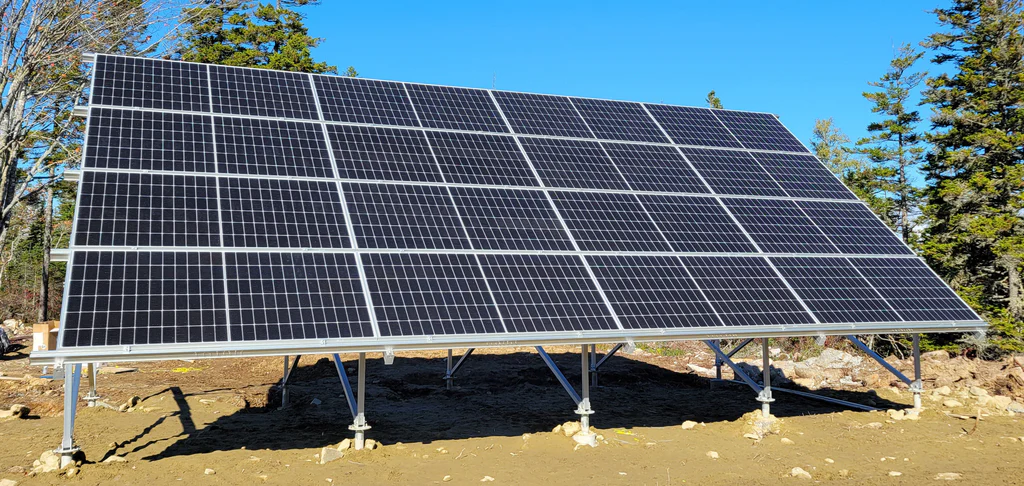
A ground mount solar system is a solar power installation where panels are mounted on structures fixed into the ground rather than on rooftops.
Quick Answer (AEO Optimized):
A ground mount solar system is a solar installation placed on land using metal structures that support solar panels at optimal angles. It offers higher efficiency, better orientation, and easier maintenance compared to rooftop systems, making it ideal for large-scale and open-space installations.
Types of Ground Mount Solar Structures
1. Standard Ground Mount Systems
- Fixed tilt structure
- Panels face a specific direction (usually south in India)
- Cost-effective and simple design
2. Pole-Mounted Systems
- Mounted on a single pole
- Elevated design improves airflow and efficiency
- Suitable for small spaces
3. Tracking Systems
- Panels follow the sun’s movement
- Types:
- Single-axis trackers
- Dual-axis trackers
- Higher energy generation (15–25% more)
Key Components of a Ground Mount Solar System
A typical solar ground mount system includes:
- Solar panels
- Ground mount solar structure (steel/aluminum)
- Inverters
- Foundation (pile-driven or concrete)
- Wiring and junction boxes
- Monitoring system
Ground Mount Solar Design Considerations
Proper ground mount solar design is critical for performance and ROI.
Key Design Factors:
- Land Availability
- 1 kW requires ~100–120 sq. ft.
- Tilt Angle
- Optimized based on latitude (Chennai ~13° tilt)
- Orientation
- South-facing for maximum output
- Soil Condition
- Determines foundation type
- Shading Analysis
- Avoid trees, buildings, or obstacles
- Wind Load & Structural Stability
- Critical for safety and durability
Ground mount solar design involves selecting optimal tilt, orientation, spacing, and foundation type based on land, soil, and climate conditions. Proper design ensures maximum energy generation, structural stability, and long-term performance.
If your roof space is limited or inefficient, ground-mounted solar gives you the freedom to install panels at the perfect angle for maximum generation.
More sunlight. More savings. More control over your energy.
Let us design a customized solar solution tailored to your land and power needs.
Benefits of Ground Mount Solar Systems
Why choose ground mount solar?
- Higher efficiency than rooftop systems
- Flexible orientation and tilt
- Easier cleaning and maintenance
- Scalable for large projects
- Better cooling → improved performance
Ground Mount Solar vs Rooftop Solar
| Feature | Ground Mount Solar | Rooftop Solar |
|---|---|---|
| Efficiency | Higher | Moderate |
| Space Requirement | Requires land | Uses roof |
| Installation | Flexible | Limited |
| Maintenance | Easier | Harder |
| Cost | Slightly higher | Lower |
Ground Mount Solar Project: Step-by-Step Process
1. Site Assessment
- Land survey
- Soil testing
2. System Design
- Layout planning
- Structural design
3. Approvals & Permits
- Local regulations
- DISCOM approvals
4. Installation
- Foundation setup
- Structure mounting
- Panel installation
5. Commissioning
- Testing
- Grid connection
Cost of Ground Mount Solar Systems in India (2026)
Typical Cost Range:
- ₹45,000 – ₹65,000 per kW (depending on structure and scale)
Cost Breakdown:
- Panels: 50–55%
- Structure: 15–20%
- Inverter: 10–15%
- Installation: 10–15%
The cost of a ground mount solar system in India ranges between ₹45,000 and ₹65,000 per kW. Costs vary based on structure type, land preparation, and system size, with tracking systems being more expensive but offering higher energy output.
Maintenance and Optimization Strategies
How to Maintain Ground Mount Solar Systems
- Regular Cleaning
- Remove dust every 2–4 weeks
- Inspect Structures
- Check for corrosion or damage
- Monitor Performance
- Use digital monitoring tools
- Vegetation Control
- Prevent shading from plants
- Electrical Checks
- Inspect wiring and connections
Use Cases of Ground Mount Solar Systems
Residential Projects
- Villas and farmhouses
Commercial Projects
- Factories and warehouses
Utility-Scale Projects
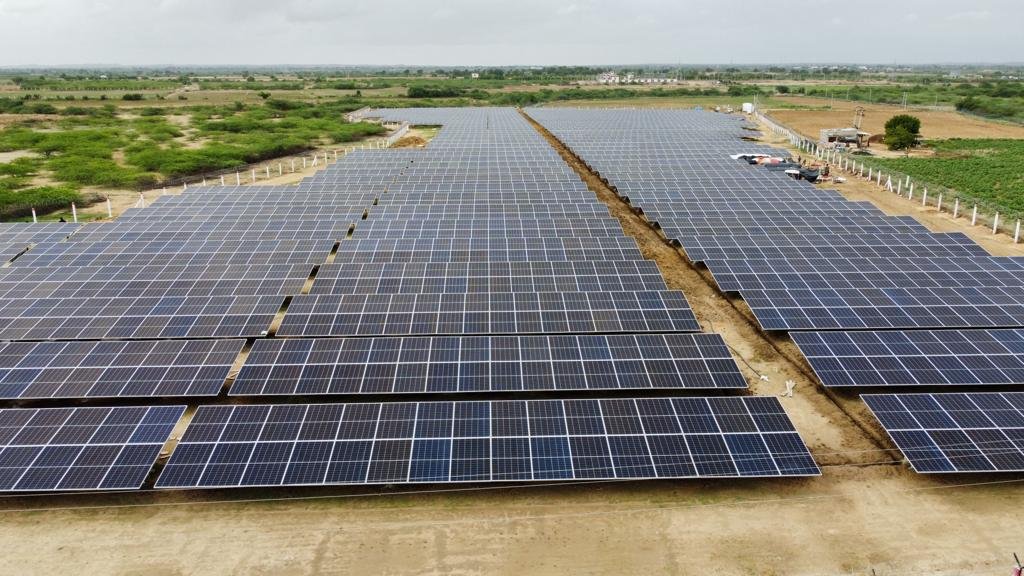
- Solar farms (MW-scale)
FAQs
A ground mount solar system is a solar installation placed on land using mounting structures. It allows optimal tilt and orientation, resulting in higher efficiency and easier maintenance compared to rooftop systems, making it ideal for large-scale or open-space installations.
A ground mount solar system typically requires 100–120 square feet per kW. The exact land requirement depends on panel efficiency, tilt angle, and spacing between rows to avoid shading.
Ground mount solar systems are generally more efficient because they allow optimal positioning and cooling. However, they require land and higher initial investment, while rooftop systems are more space-efficient and cost-effective for urban homes.
A ground mount solar system typically lasts 25–30 years. Solar panels retain efficiency over time, while structures and inverters may require maintenance or replacement during the system’s lifespan.
The main types include fixed tilt systems, pole-mounted systems, and solar tracking systems. Each varies in cost, efficiency, and complexity, with tracking systems offering the highest energy output.
Key Takeaways
- Ground mount solar systems offer higher efficiency and flexibility
- Ideal for large-scale and land-available projects
- Proper design and structure selection is crucial
- Costs are slightly higher but provide better long-term ROI
- Maintenance is simpler and more effective
Conclusion
Ground mount solar systems are one of the most efficient and scalable ways to generate solar energy. Whether you’re planning a residential installation or a large commercial solar farm, investing in the right ground mount solar structure and design ensures long-term performance and profitability.If you have land available, a ground mount solar project can deliver superior returns and energy independence.
Join businesses across India switching to ground-mounted solar for long-term energy independence, easy maintenance, and scalable growth.With expert engineering, flexible financing, and end-to-end support, we make your solar journey seamless.
Start your transition to clean, cost-effective energy today.