

Introduction
Wind energy has become one of the most important renewable energy technologies worldwide. Modern wind farms generate electricity through advanced turbines that operate continuously in demanding environments. However, long-term reliability depends heavily on effective wind turbine maintenance, especially for critical components such as gearboxes.
The gearbox is often considered the most complex and failure-prone component in a wind turbine drivetrain. Because it converts slow rotor rotation into high-speed generator motion, it operates under extreme mechanical stress.
Without proper maintenance strategies, gearbox failures can lead to:
- Expensive repairs
- Long turbine downtime
- Reduced power generation
- Significant operational losses
Structured wind energy maintenance programs help wind farm operators detect early wear, prevent catastrophic failures, and maximize turbine lifespan.
Well-planned maintenance programs are essential for reliable wind turbine operation and maintenance across both onshore and offshore wind farms.
What Is Wind Turbine Gearbox Maintenance?
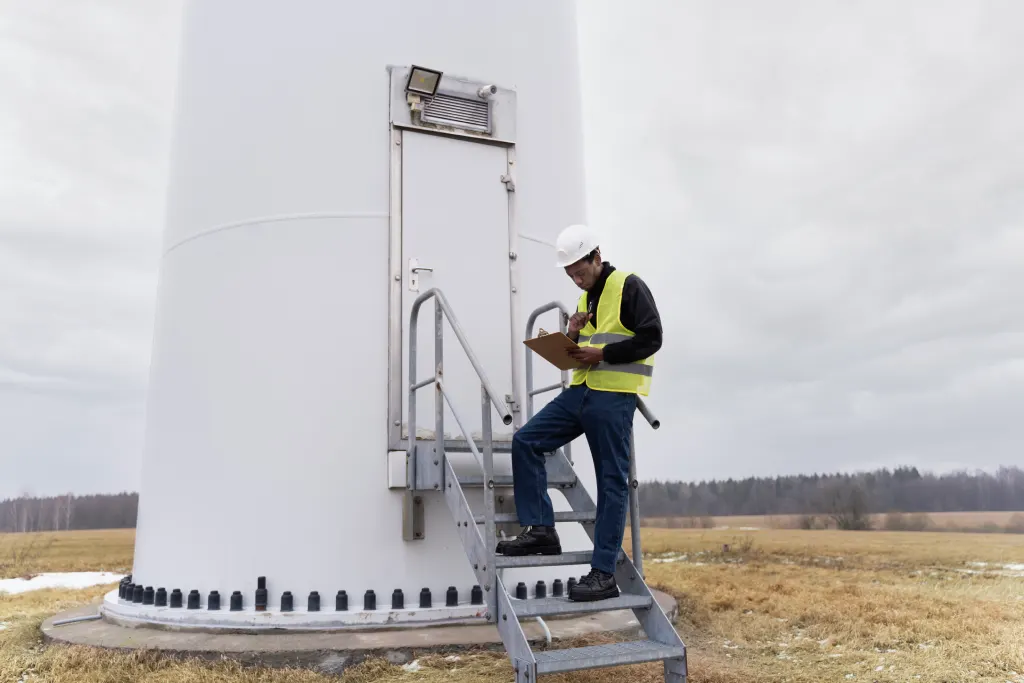
Wind turbine gearbox maintenance refers to the inspection, lubrication, monitoring, and repair of gearbox components to ensure reliable power transmission between the rotor and generator. Regular maintenance includes oil analysis, vibration monitoring, bearing inspections, and temperature monitoring to detect wear early and prevent costly turbine failures.
Definition
Wind turbine gearbox maintenance involves systematic servicing of the gearbox system responsible for transferring mechanical energy from the rotor blades to the generator.
Typical maintenance activities include:
- Gear lubrication and oil replacement
- Bearing inspection and replacement
- Vibration analysis
- Temperature monitoring
- Gear alignment checks
- Condition monitoring system diagnostics
Proper gearbox maintenance ensures turbines operate efficiently throughout their 20–25 year design life.
Wind energy maintenance programs integrate these activities with broader turbine inspections such as blade servicing and generator diagnostics.
Why Gearbox Maintenance Is Critical for Wind Turbines
Wind turbine gearboxes operate under high torque loads and variable wind conditions. This constant stress makes them susceptible to mechanical wear and fatigue.
Key Reasons Gearbox Maintenance Is Essential
1. Prevents Catastrophic Turbine Failure
Gearbox failure can shut down an entire turbine and require expensive crane operations for replacement.
2. Maximizes Energy Production
A well-maintained gearbox ensures efficient energy transfer between the rotor and generator.
3. Extends Turbine Lifespan
Proper lubrication and monitoring reduce component wear and increase system longevity.
4. Reduces Operational Costs
Preventive maintenance costs significantly less than gearbox replacement.
5. Improves Wind Farm Reliability
Consistent maintenance ensures turbines maintain high availability rates.
According to industry maintenance frameworks, proactive servicing dramatically improves turbine reliability and operational safety.
Common Causes of Wind Turbine Gearbox Failure
Understanding failure mechanisms helps engineers implement better preventive maintenance programs.
1. Bearing Failures
Bearings experience continuous stress and may fail due to:
- Fatigue damage
- Improper lubrication
- Contamination
2. Gear Tooth Wear
Gear surfaces may degrade due to:
- High load cycles
- Misalignment
- Poor lubrication
3. Lubrication Problems
Inadequate lubrication leads to:
- Increased friction
- Overheating
- Component wear
4. Contamination
Gearbox oil may become contaminated by:
- Metal particles
- Moisture
- Dust
Contamination accelerates internal component damage.
5. Overheating
High temperatures reduce lubricant effectiveness and accelerate wear.
Key Components in a Wind Turbine Gearbox System
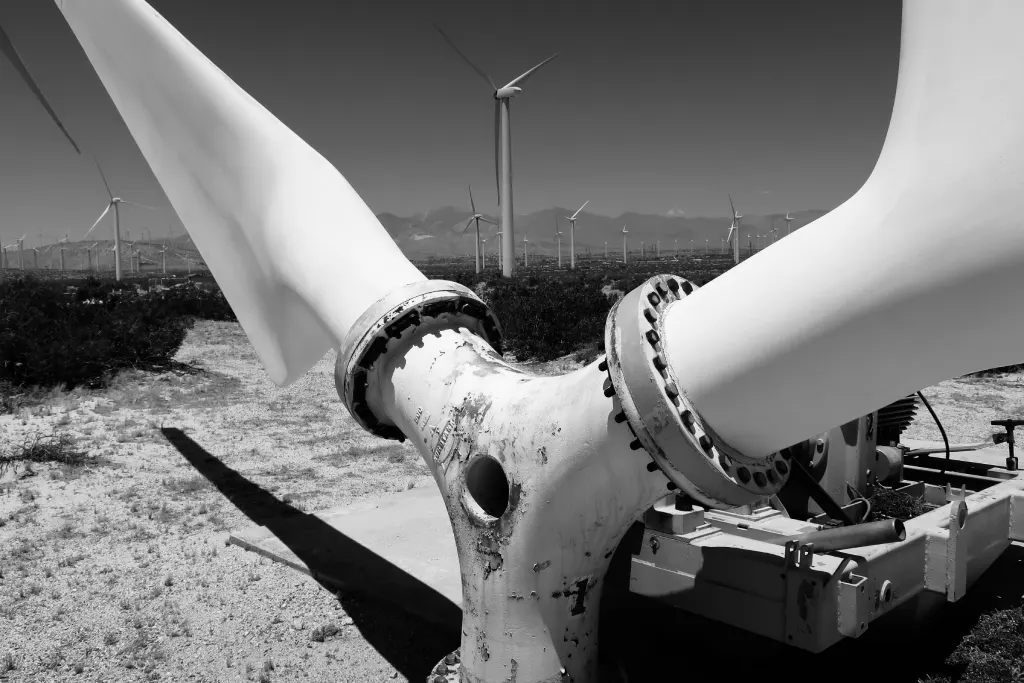
Wind turbine gearboxes contain several critical mechanical components that require monitoring.
Gears
Convert slow rotor rotation into higher speed generator motion.
Maintenance tasks:
- Gear tooth inspection
- Surface wear monitoring
- Alignment checks
Bearings
Bearings support rotating shafts and reduce friction.
Maintenance includes:
- Vibration analysis
- Lubrication inspection
- Replacement planning
Shafts
Transmit mechanical power through the drivetrain.
Inspection tasks include:
- Structural integrity checks
- Alignment verification
Lubrication System
Maintains optimal friction conditions.
Maintenance tasks:
- Oil quality monitoring
- Filter replacement
- Contamination detection
Preventive Maintenance Strategies for Wind Turbine Gearboxes
Preventive maintenance is the most effective way to reduce gearbox failures.
1. Scheduled Inspection Programs
Routine inspections help detect early signs of wear.
Typical schedule:
- Daily remote monitoring
- Monthly visual inspection
- Quarterly diagnostics
- Annual gearbox servicing
2. Lubrication Management
Proper lubrication reduces friction and wear.
Best practices include:
- Scheduled oil replacement
- Oil filtration monitoring
- Contamination analysis
3. Oil Analysis Programs
Oil sampling helps detect internal component wear.
Oil analysis identifies:
- Metal particles
- Moisture contamination
- Degradation of lubricants
4. Vibration Monitoring
Vibration sensors detect abnormal mechanical movement.
Benefits include:
- Early detection of bearing damage
- Identification of gear misalignment
5. Thermal Monitoring
Temperature sensors identify overheating issues before damage occurs.
Predictive Maintenance Technologies in Wind Energy
Modern wind farms increasingly rely on data-driven predictive maintenance systems.
Condition Monitoring Systems (CMS)
CMS platforms monitor:
- Gearbox vibration
- Temperature
- Bearing conditions
SCADA Monitoring Systems
Supervisory Control and Data Acquisition systems track turbine performance metrics such as:
- Power output
- Wind speed
- Rotor speed
- Gearbox temperature
AI-Based Predictive Maintenance
Machine learning algorithms analyze operational data to predict component failure.
Benefits include:
- Reduced downtime
- Optimized maintenance schedules
- Lower operational costs
Wind Turbine Maintenance Checklist for Gearbox Health
Daily Monitoring
- Monitor SCADA alerts
- Review gearbox temperature data
- Check vibration indicators
Monthly Maintenance
- Inspect gearbox oil levels
- Check for oil leaks
- Inspect lubrication system
Quarterly Maintenance
- Conduct vibration analysis
- Inspect bearings
- Perform oil particle analysis
Annual Maintenance
- Replace gearbox oil and filters
- Inspect gear teeth condition
- Perform comprehensive gearbox diagnostics
A structured maintenance checklist ensures consistent wind turbine operation and maintenance across wind farms.

Offshore Wind Turbine Gearbox Maintenance Challenges
Offshore turbines face additional maintenance challenges due to marine environments.
Major Offshore Challenges
- Saltwater corrosion
- Limited technician access
- Harsh weather conditions
- High transportation costs
Maintenance Logistics
Offshore servicing often requires:
- Service vessels
- Helicopters
- Remote monitoring technologies
Offshore wind turbine maintenance may cost 2–3 times more than onshore servicing.
Role of Wind Turbine Maintenance Companies
Many wind farm operators rely on specialized wind turbine maintenance companies to manage turbine servicing.
Typical services include:
- Preventive maintenance programs
- Gearbox diagnostics and repair
- Blade inspection and repair
- Electrical system maintenance
- Emergency breakdown repairs
These companies provide skilled technicians and specialized tools required for wind energy maintenance.
Technologies Transforming Wind Energy Maintenance
Several innovations are improving turbine reliability.
Drone Inspections
Drones enable fast inspection of turbine components without extensive shutdown.
Digital Twin Technology
Digital twins simulate turbine performance and detect potential failures.
Robotic Blade Repair
Automated repair systems reduce maintenance downtime.
Remote Diagnostics
Cloud-based monitoring systems allow engineers to analyze turbine performance from anywhere.
Cost of Wind Turbine Operation and Maintenance
Wind turbine operation and maintenance costs depend on turbine size and location.
Typical annual estimates:
| Turbine Type | Annual Maintenance Cost |
|---|---|
| Onshore Wind Turbine | $40,000 – $60,000 |
| Offshore Wind Turbine | $100,000 – $150,000 |
Maintenance represents 20–30% of total wind farm lifecycle costs.
Best Practices for Efficient Windmill Maintenance
Wind farm operators should follow these best practices:
- Implement predictive maintenance systems
- Use oil analysis for gearbox health monitoring
- Maintain detailed maintenance records
- Train technicians regularly
- Schedule maintenance during low wind periods
- Monitor turbine performance continuously
These practices significantly improve turbine reliability.
Future Trends in Wind Turbine Gearbox Maintenance
Wind energy maintenance is evolving rapidly.
Emerging Trends
- AI-powered predictive diagnostics
- Autonomous inspection drones
- Advanced lubrication technologies
- Smart sensors for real-time gearbox monitoring
- Robotic maintenance systems
These innovations will reduce downtime and improve turbine reliability.
FAQs
Wind turbine maintenance involves inspecting, servicing, and repairing turbine components such as blades, gearboxes, generators, and control systems to ensure efficient electricity generation and long equipment lifespan.
Gearbox failures typically occur due to bearing wear, lubrication problems, contamination, gear misalignment, and excessive mechanical stress.
Wind turbines require continuous monitoring and scheduled maintenance. Daily performance monitoring is common, while inspections occur monthly or quarterly and full servicing typically occurs annually.
Predictive maintenance uses sensors, condition monitoring systems, and data analytics to detect early signs of equipment failure and schedule repairs before breakdowns occur.
Offshore wind turbine maintenance involves servicing turbines installed at sea. It requires specialized vessels, corrosion protection systems, and remote monitoring technologies due to harsh marine environments.
Key Takeaways
- Wind turbine maintenance is critical for reliable wind farm operation.
- Gearbox failures are among the most expensive turbine problems.
- Preventive maintenance helps avoid unexpected turbine shutdowns.
- Predictive monitoring technologies are transforming wind energy maintenance.
- Offshore wind turbine maintenance requires specialized logistics.
- Structured maintenance programs improve turbine lifespan and efficiency.