
Introduction
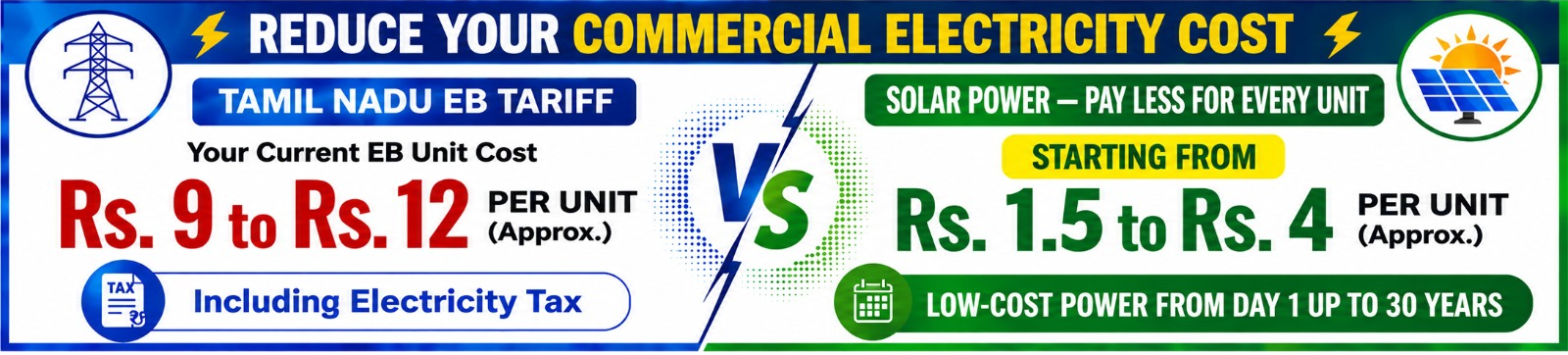
Industrial electricity costs in India continue to rise because of increasing grid tariffs, demand charges, fuel cost adjustments, and operational energy consumption. Manufacturing plants, warehouses, textile industries, and commercial facilities are now actively evaluating rooftop solar PPAs to stabilize long-term electricity costs.
A “resco sosolar ppagreement” allows businesses to adopt rooftop solar without upfront investment. Under the RESCO model, the solar developer finances, installs, owns, and maintains the solar system while the industrial customer purchases electricity at a pre-agreed tariff.
However, many industrial buyers focus only on tariff savings and ignore critical contract terms such as performance guarantees, escalation clauses, insurance liability, downtime compensation, and exit conditions.
This guide explains how RESCO solar agreements work in India, how tariffs are benchmarked across states, what risks businesses must evaluate, and how industrial buyers can negotiate better solar PPA contracts.
Quick Answer
What Is a RESCO Solar PPA?
A RESCO solar PPA is a long-term agreement where a solar developer installs and operates a rooftop solar system at no upfront cost while the customer pays only for electricity generated by the system.
Why Does a Solar PPA Matter?
Solar PPAs help businesses:
- Reduce electricity costs
- Avoid capital expenditure
- Lock predictable energy tariffs
- Outsource maintenance responsibility
- Improve ESG performance
Who Needs a RESCO Solar Agreement?
RESCO solar agreements are ideal for:
- Manufacturing plants
- Textile industries
- Warehouses
- Logistics facilities
- Commercial buildings
- Industrial parks
- Businesses prioritizing cash flow optimization
Key Benefits of RESCO Solar PPAs
| Benefit | Business Impact |
|---|---|
| Zero upfront investment | Preserves working capital |
| Lower electricity tariffs | Reduces operational costs |
| No maintenance burden | Simplifies operations |
| Long-term tariff visibility | Improves budgeting |
| ESG support | Strengthens sustainability goals |
| Risk transfer | Developer handles performance risks |
What Is a RESCO Solar PPA?
RESCO Definition
RESCO stands for Renewable Energy Service Company.
A RESCO company develops, owns, operates, and maintains a solar power plant while the customer purchases electricity through a Power Purchase Agreement (PPA).
How Third-Party Solar Ownership Works
Under the RESCO model:
- The customer provides rooftop space.
- The developer finances the project.
- The developer installs and maintains the system.
- The customer pays only for electricity consumed.
The business avoids large capital expenditure while benefiting from lower electricity costs.
How Industrial Solar PPAs Function
A solar PPA defines:
- Tariff structure
- Contract duration
- Performance commitments
- Billing process
- Maintenance responsibility
- Exit terms
Typical industrial PPAs in India range between 15 and 25 years.
The Ministry of New and Renewable Energy continues to support inindustrial renewable energydoption through policy and rooftop solar initiatives.
RESCO vs CAPEX Solar
| Feature | RESCO | CAPEX |
|---|---|---|
| Upfront cost | Zero | High |
| Ownership | Developer | Customer |
| Maintenance | Developer | Customer |
| Technical risk | Developer | Customer |
| Savings start | Immediate | Long-term |
| Asset ownership | No | Yes |
Understanding RESCO Contract Structures
15-Year vs 20-Year vs 25-Year PPAs
Contract duration directly impacts tariff economics and long-term savings.
15-Year PPA
Best for:
- Businesses expecting facility relocation
- Companies preferring shorter commitments
20-Year PPA
Most common industrial structure because it balances:
- Tariff affordability
- Operational flexibility
- Long-term savings
25-Year PPA
Suitable for:
- Long-term manufacturing facilities
- Stable industrial operations
- Maximum tariff optimization
Which Contract Duration Fits Different Load Profiles?
| Business Type | Recommended PPA Duration |
|---|---|
| Textile manufacturing | 20–25 years |
| Warehousing | 15–20 years |
| Commercial offices | 15 years |
| Industrial parks | 20–25 years |
Fixed Tariff vs Escalating Tariffs
Fixed Tariff PPA
A fixed tariff structure maintains the same electricity rate throughout the contract duration.
Advantages:
- Budget predictability
- Easier financial planning
- Stable operational expenditure
Escalating Tariff PPA
Escalating PPAs increase tariffs annually.
Typical escalation ranges: 1%, 2%, 3% Businesses must evaluate escalation impact carefully.
Hybrid Pricing Models
Hybrid structures combine:
- Lower initial tariffs
- Controlled escalation
- Performance-linked adjustments
Hybrid models are increasingly common for large industrial projects.
Minimum Consumption Clauses
Some PPAs require businesses to purchase a minimum amount of electricity annually.
Industrial buyers should:
- Evaluate seasonal demand variability
- Review production fluctuations
- Avoid restrictive minimum commitments
State-Wise Solar PPA Tariff Benchmarks in India
Tamil Nadu RESCO Tariffs
Industrial rooftop solar tariffs in Tamil Nadu typically remain competitive because:
- Industrial demand is high
- Solar irradiation is strong
- Rooftop availability is substantial
Businesses near Chennai, Tiruppur, Coimbatore, and Hosur actively adopt RESCO models.
The Tamil Nadu Generation and Distribution Corporation regulates several rooftop solar operational procedures.
Karnataka Solar Tariffs
Karnataka remains a strong industrial solar market because of:
- High commercial energy demand
- Favorable solar policies
- Industrial infrastructure growth
Maharashtra Industrial Solar Pricing
Maharashtra industries adopt rooftop solar to offset:
- High commercial tariffs
- Peak-hour electricity expenses
- Manufacturing operational costs
Gujarat Industrial Solar Economics
Gujarat continues to attract industrial solar investments because of:
- Strong industrial clusters
- Solar-friendly policies
- Large rooftop infrastructure
Factors Affecting Solar PPA Tariffs
Solar tariffs depend on:
- Rooftop size
- Energy consumption profile
- State regulations
- Financing costs
- Contract duration
- System capacity
- Grid infrastructure
Sample Savings Calculation
| Parameter | Example |
|---|---|
| Existing grid tariff | ₹10/unit |
| Solar PPA tariff | ₹6.5/unit |
| Monthly usage | 200,000 units |
| Monthly savings | ₹7 lakh |
Performance Guarantees Explained
What Is a Performance Ratio?
A solar performance ratio (PR) measures the operational efficiency of a solar system compared to expected generation output.
PR helps businesses evaluate:
- System efficiency
- Operational quality
- Performance reliability

Realistic Industrial PR Benchmarks
Typical industrial rooftop PR ranges:
- 75%–80% = acceptable
- 80%–85% = strong
- Above 85% = high-performance system
Environmental conditions and rooftop design influence actual performance.
Generation Guarantee Clauses
Generation guarantees define:
- Expected annual electricity production
- Compensation mechanisms
- Performance thresholds
Strong PPAs clearly define compensation structures if generation falls below agreed levels.
Downtime Compensation Terms
Downtime clauses should specify:
- Maximum response times
- Penalty structures
- Service restoration commitments
Industrial operations require clear SLA definitions to minimize energy disruptions.
Monitoring and Reporting Standards
Modern industrial PPAs include:
- Remote monitoring
- Real-time reporting
- Monthly performance analysis
- Fault diagnostics
The Bureau of Energy Efficiency supports industrial energy optimization and monitoring initiatives.
Risk Allocation in RESCO Solar Agreements
Equipment Failure Risk
In most RESCO structures:
- The developer bears equipment risk
- The developer handles replacement responsibility
- The customer focuses on electricity consumption only
Insurance Responsibilities
Solar insurance coverage typically includes:
- Fire damage
- Natural disasters
- Equipment theft
- Operational disruption
Businesses should verify:
- Insurance ownership
- Claim responsibility
- Coverage limits
Natural Disaster and Force Majeure Clauses
Force majeure clauses define operational responsibilities during:
- Floods
- Cyclones
- Earthquakes
- Grid failures
- Regulatory disruptions
Tamil Nadu industrial facilities should review cyclone-related protections carefully.
Maintenance SLA Commitments
Maintenance SLAs should define:
- Preventive maintenance frequency
- Fault resolution timelines
- Uptime expectations
- Emergency response commitments
Operational Downtime Responsibility
Industrial buyers should negotiate:
- Downtime penalties
- Backup power expectations
- Compensation methods
- Generation loss calculations
Exit Strategies and Buyout Clauses
Early Termination Penalties
Many PPAs include early termination penalties because the developer recovers investment over time.
Businesses should:
- Evaluate termination formulas
- Understand financial liabilities
- Review lock-in conditions
Buyout Option Structures
Some agreements allow businesses to purchase the solar asset after:
- 5 years
- 10 years
- Contract completion
Buyout pricing should remain clearly documented.
Asset Transfer Conditions
At contract completion:
- Ownership may transfer to the customer
- The agreement may renew
- The developer may remove the system
The PPA should clearly define post-contract obligations.
Contract Renewal Terms
Renewal clauses should specify:
- Revised tariff methodology
- Operational responsibility
- Asset condition requirements
What Businesses Should Negotiate
Industrial buyers should negotiate:
- Escalation caps
- SLA guarantees
- Buyout flexibility
- Downtime penalties
- Exit conditions
- Insurance coverage
Red Flags Businesses Must Watch Before Signing
Aggressive Escalation Clauses
Annual escalation beyond 3% may reduce long-term savings significantly.
Unclear Generation Guarantees
Vague generation commitments create performance disputes.
Industrial PPAs should define:
- PR assumptions
- Compensation formulas
- Weather adjustment methodology
Weak SLA Definitions
Missing SLA details increase operational risk.
Strong PPAs define:
- Response times
- Escalation hierarchy
- Service obligations
Hidden Charges
Businesses should review:
- Metering charges
- Maintenance exclusions
- Grid synchronization fees
- Administrative costs
Overly Restrictive Exit Terms
Long lock-ins with excessive penalties reduce operational flexibility.

Checklist: How Industrial Buyers Should Evaluate a RESCO PPA
Financial Checklist
- Tariff competitiveness
- Escalation limits
- Savings projections
- Termination costs
Technical Checklist
- Performance ratio assumptions
- Equipment specifications
- Monitoring systems
- Rooftop suitability
Legal Checklist
- Ownership clauses
- Insurance obligations
- Force majeure terms
- SLA definitions
Operational Checklist
- Maintenance response times
- Downtime commitments
- Reporting standards
- Billing transparency
Understand:
Tariff benchmarks
Contract risks
Performance guarantees
SLA expectations
Exit clauses
Why NST Solar & Wind Energy Focuses on Transparent RESCO Agreements
Transparent Tariff Structuring
NST Solar & Wind Energy focuses on transparent tariff discussions to help industrial buyers understand long-term financial implications clearly.
Industrial Solar Expertise
NST Solar & Wind Energy specializes in:
- Industrial rooftop solar
- Commercial RESCO projects
- EPC implementation
- Long-term O&M services
Customized Contract Support
Customized PPA structures help businesses optimize:
- Tariff economics
- Contract duration
- Operational flexibility
- Savings predictability
Local Tamil Nadu Support Capability
Local operational support near Chennai improves:
- Site response speed
- Maintenance coordination
- Regulatory communication
Performance-Driven O&M Services
Continuous monitoring and proactive maintenance help improve:
- Plant uptime
- Performance consistency
- Long-term energy generation
Frequently Asked Questions About RESCO Solar Agreements
A RESCO solar PPA is a long-term contract where a solar developer installs and operates a rooftop solar system while the customer purchases electricity generated by the plant.
Industrial rooftop solar PPAs in India typically range between 15 and 25 years depending on project economics and customer requirements.
Solar tariffs vary by state, rooftop conditions, financing structure, and project scale. Competitive industrial tariffs are generally lower than existing DISCOM electricity rates.
Yes. Businesses should negotiate escalation clauses, SLA terms, buyout options, downtime compensation, and performance guarantees before signing agreements.
The solar developer owns the solar plant during the contract period unless asset transfer clauses specify otherwise.
Possible outcomes include:
- Contract renewal
- Asset transfer
- Buyout
- System removal
Businesses should evaluate:
- Tariff escalation
- Equipment failure liability
- SLA commitments
- Exit penalties
- Insurance obligations
Most industrial rooftop systems target performance ratios between 75% and 85% depending on climate and system design.
Yes. Tamil Nadu remains one of India’s strongest industrial rooftop solar markets because of high industrial energy demand and strong solar potential.
11. Key Takeaways
- RESCO solar PPAs allow businesses to adopt solar with zero upfront investment.
- Industrial solar contracts typically range between 15 and 25 years.
- Tariff structures significantly influence long-term savings.
- Performance guarantees and SLAs are critical contract components.
- Businesses should carefully review escalation clauses and exit conditions.
- Transparent PPAs reduce operational and financial risks.
- Tamil Nadu remains a leading industrial solar market in India.
- Strong solar developers provide clear contract visibility and long-term support.
Evaluate:
Rooftop feasibility
Savings potential
Contract structure
State-specific tariff opportunities