
Introduction
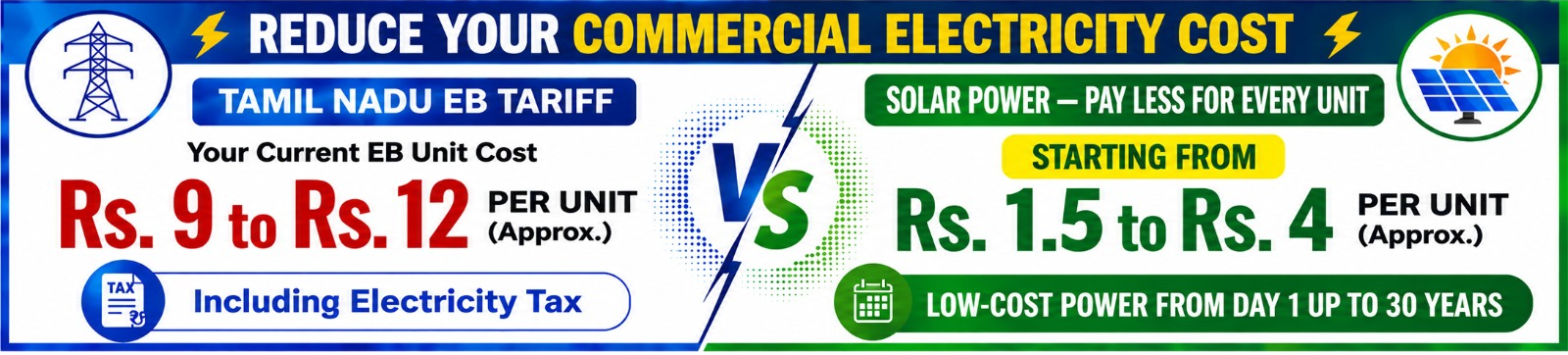
Industrial electricity costs in India continue to rise because of increasing energy demand, grid tariff escalation, and sustainability compliance requirements. Manufacturing plants, warehouses, industrial parks, and commercial enterprises are now actively exploring renewable procurement strategies to optimize long-term operational costs.
The search for “group captive vs resco” has increased because businesses want clarity on which renewable energy procurement model delivers the best combination of savings, flexibility, scalability, and ESG value.
Indian industries today can choose between:
- Group captive solar
- RESCO rooftop solar
- Virtual Power Purchase Agreements (Virtual PPAs)
- EPC ownership structures
- Hybrid renewable procurement models
Each model offers different advantages related to:
- Ownership
- Risk allocation
- Capital investment
- Operational control
- Scalability
- Regulatory complexity
This guide explains how group captive, RESCO, and virtual PPAs work in India, how industrial buyers should compare procurement structures, and how businesses can select the most effective renewable energy strategy.
Quick Answer
What Is Renewable Energy Procurement?
Renewable energy procurement refers to how businesses source renewable electricity through ownership structures, solar PPAs, open access arrangements, or financial renewable contracts.
Why Does Procurement Strategy Matter?
The right procurement model helps businesses:
- Reduce electricity costs
- Improve ESG performance
- Stabilize long-term tariffs
- Optimize capital allocation
- Increase renewable energy adoption
Who Should Compare Procurement Models?
Renewable procurement comparisons are important for:
- Manufacturing businesses
- Commercial & Industrial (C&I) enterprises
- Multi-location industries
- ESG-focused companies
- Large electricity consumers
- CFOs and procurement teams
Quick Procurement Comparison Table
| Feature | Group Captive | RESCO | Virtual PPA |
|---|---|---|---|
| Ownership | Shared | Developer | No physical ownership |
| Upfront investment | Moderate | Zero | Low |
| Electricity delivery | Physical | Physical | Financial |
| Operational control | High | Medium | Low |
| ESG value | Strong | Strong | Strong |
What Is Group Captive Solar?
Group Captive Definition
Group captive solar is a renewable procurement structure where multiple businesses collectively own equity in a solar or renewable energy plant and consume electricity through open access mechanisms.
How Group Captive Works in India
Under the group captive structure:
- Businesses hold equity ownership in the project.
- Electricity is transmitted through open access.
- Consumers receive renewable power at negotiated tariffs.
- Businesses benefit from long-term energy savings.
The structure is regulated under Indian electricity laws and open access regulations.
Open Access Electricity Mechanism
Open access allows electricity generated at one location to be transmitted to another consumer location through the grid.
The Central Electricity Authority plays an important role in India’s power sector framework and grid infrastructure governance.
Benefits of Group Captive Solar
Group captive procurement offers:
- Long-term tariff savings
- Partial asset ownership
- Better control over procurement
- Scalability across facilities
- Strong ESG positioning
Challenges and Risks
Businesses should evaluate:
- Regulatory complexity
- Open access charges
- Banking and wheeling costs
- Equity participation requirements
- Contractual obligations
What Is the RESCO Solar Model?
RESCO Definition
RESCO stands for Renewable Energy Service Company.
Under the RESCO model, a solar developer installs, owns, operates, and maintains the rooftop solar plant while the customer purchases electricity generated by the system.
How Zero Capex Solar Works
The RESCO model eliminates upfront investment requirements because:
- The developer finances the project
- The developer bears operational risk
- The customer pays only for electricity consumed
This structure is widely used for industrial rooftop solar adoption.
Industrial Rooftop Solar PPAs
Industrial RESCO projects generally operate through long-term Power Purchase Agreements covering:
- Electricity tariffs
- Maintenance responsibility
- Performance guarantees
- Billing structures
- Contract duration
Benefits of RESCO Solar
RESCO advantages include:
- Zero upfront investment
- Lower operational burden
- Faster implementation
- Immediate energy savings
- Simplified maintenance management
Limitations of RESCO Agreements
Potential limitations include:
- Limited ownership control
- Long-term contract dependence
- Tariff escalation risks
- Rooftop dependency constraints
Speak with NST Solar & Wind Energy for strategic guidance.
What Is a Virtual PPA?
Virtual PPA Definition
A Virtual Power Purchase Agreement (VPPA) is a financial renewable energy contract where businesses purchase renewable energy credits and pricing benefits without physical electricity delivery.
How Financial PPAs Work
Under a virtual PPA:
- The renewable developer sells electricity to the grid.
- The buyer receives financial settlement benefits.
- Renewable energy credits support ESG reporting.
Virtual PPAs are increasingly used by global enterprises.
Renewable Energy Credits and ESG Reporting
Virtual PPAs support:
- Carbon reduction goals
- Renewable energy accounting
- Sustainability reporting
- ESG compliance frameworks
The International Energy Agency highlights increasing corporate renewable procurement globally.
Benefits of Virtual PPAs
Virtual PPAs offer:
- ESG flexibility
- Geographic procurement flexibility
- Renewable energy certificate access
- Long-term sustainability positioning
Limitations in the Indian Market
Virtual PPAs in India currently face:
- Regulatory limitations
- Market maturity constraints
- Limited awareness
- Complex financial structures

Group Captive vs RESCO vs Virtual PPA: Detailed Comparison
Ownership Structure
| Model | Ownership |
|---|---|
| Group Captive | Shared ownership |
| RESCO | Developer-owned |
| Virtual PPA | No physical ownership |
CAPEX vs OPEX Comparison
| Model | CAPEX Requirement |
|---|---|
| Group Captive | Moderate |
| RESCO | Zero |
| Virtual PPA | Low |
Tariff Savings Potential
Group captive generally offers:
- Highest long-term savings
- Better tariff optimization
RESCO offers:
- Moderate savings with low risk
Virtual PPAs offer:
- ESG value rather than direct electricity savings
Operational Control
| Model | Operational Control |
|---|---|
| Group Captive | High |
| RESCO | Medium |
| Virtual PPA | Low |
Risk Allocation
| Risk Type | Group Captive | RESCO | Virtual PPA |
|---|---|---|---|
| Operational risk | Shared | Developer | Minimal |
| Financial risk | Moderate | Low | Moderate |
| Regulatory risk | Higher | Medium | Medium |
Scalability
Large enterprises often use:
- Group captive for large energy demand
- RESCO for rooftop optimization
- Virtual PPAs for multi-region ESG goals
ESG Impact
All three procurement models support:
- Renewable energy adoption
- Carbon reduction
- Sustainability reporting
However, implementation complexity differs significantly.
Decision Tree: Which Procurement Model Fits Your Business?
Businesses Seeking Maximum Savings
Group captive generally suits:
- Large manufacturing businesses
- Multi-location enterprises
- High electricity consumers
Businesses Avoiding Capital Investment
RESCO works best for:
- Mid-sized industries
- Cashflow-sensitive businesses
- Rooftop solar adoption strategies
Businesses Prioritizing ESG Compliance
Virtual PPAs are useful for:
- Multinational corporations
- ESG-focused enterprises
- Businesses seeking renewable accounting flexibility
Multi-Location Enterprises
Hybrid procurement strategies often work best for:
- Multi-state businesses
- Distributed industrial operations
- Large corporate groups
Large Manufacturing Facilities
Factories with high energy demand often benefit from:
- Group captive procurement
- Rooftop RESCO integration
- EPC ownership models
Can Businesses Combine Procurement Models?
Hybrid RESCO + Group Captive Strategies
Many industries combine:
- Rooftop RESCO systems
- Open access group captive procurement
This approach improves:
- Energy diversification
- Procurement flexibility
- Cost optimization
Rooftop + Open Access Procurement
Businesses may use:
- Rooftop solar during daytime
- Group captive for additional demand
- Grid electricity for backup requirements
EPC + O&M Hybrid Models
Some enterprises prefer:
- Full ownership through EPC
- Outsourced O&M services
- Long-term operational control
When Hybrid Procurement Makes Sense
Hybrid strategies are ideal for:
- Large electricity consumers
- Multi-site operations
- Complex industrial load profiles
When to Choose EPC + O&M Instead of RESCO
Full Ownership Benefits
EPC ownership provides:
- Full asset control
- Long-term ROI potential
- Depreciation advantages
Long-Term Financial Returns
Businesses with strong capital availability may achieve:
- Better lifetime savings
- Improved asset valuation
- Tax optimization opportunities
Asset Depreciation Advantages
CAPEX solar ownership may provide:
- Accelerated depreciation benefits
- Balance-sheet advantages
- Infrastructure ownership value
Operational Responsibilities
Businesses choosing EPC ownership must handle:
- Maintenance
- Monitoring
- Operational performance
- Asset management
Evaluate:
Group captive opportunities
RESCO feasibility
Hybrid procurement strategies
Long-term savings potential
Cost Comparison Framework for Indian Industries
Tariff Comparison Table
| Model | Typical Savings Potential |
|---|---|
| Group Captive | High |
| RESCO | Medium–High |
| Virtual PPA | ESG-focused |
Long-Term ROI Analysis
| Model | Long-Term ROI |
|---|---|
| Group Captive | Strong |
| RESCO | Moderate |
| Virtual PPA | Strategic ESG value |
Risk vs Savings Matrix
| Model | Savings | Risk |
|---|---|---|
| Group Captive | High | Medium–High |
| RESCO | Medium | Low |
| Virtual PPA | Low direct savings | Medium |
Scalability Evaluation
Group captive and virtual PPAs generally scale more effectively for large enterprises than rooftop-only procurement models.
Common Procurement Mistakes Industrial Buyers Make
Choosing Based Only on Tariff
Businesses often ignore:
- Regulatory complexity
- Operational flexibility
- Long-term scalability
Ignoring Operational Risks
Operational risks include:
- Downtime
- Open access disruptions
- Maintenance failures
- Grid dependency
Overlooking Regulatory Complexity
Different states have different:
- Open access rules
- Banking charges
- Renewable regulations
The Ministry of New and Renewable Energy and state electricity regulators continue updating renewable energy frameworks.
Underestimating Long-Term Energy Demand
Businesses should forecast:
- Future expansion
- Production scaling
- Electricity growth trends
Why Businesses Choose NST Solar & Wind Energy for Renewable Procurement Advisory
Technology-Neutral Advisory Approach
NST Solar & Wind Energy helps businesses evaluate procurement strategies based on:
- Operational needs
- Financial priorities
- Energy consumption profiles
Industrial Solar Expertise
NST Solar & Wind Energy supports:
- Group captive procurement
- Rooftop RESCO implementation
- EPC solar projects
- O&M services
Customized Procurement Strategies
Customized renewable procurement planning improves:
- Long-term savings
- Energy flexibility
- ESG performance
End-to-End EPC and O&M Support
NST provides:
- Engineering
- Procurement
- Construction
- Monitoring
- Preventive maintenance
Commercial Energy Optimization Expertise
NST helps businesses evaluate:
- Tariff economics
- Renewable procurement scalability
- Hybrid energy strategies
Frequently Asked Questions About Renewable Procurement Models
Group captive solar is a renewable procurement structure where businesses collectively own part of a solar plant and consume electricity through open access mechanisms.
RESCO is a zero upfront rooftop solar model where the developer owns the system, while group captive involves shared ownership and open access power procurement.
A virtual PPA is a financial renewable energy agreement where businesses purchase renewable energy benefits without receiving physical electricity directly.
Group captive often delivers the highest long-term savings, while RESCO offers lower risk and easier adoption.
Yes. Many large industrial businesses combine rooftop RESCO systems with group captive procurement for diversified energy sourcing.
The ideal model depends on:
- Energy consumption
- Capital availability
- ESG priorities
- Operational flexibility requirements
Virtual PPAs remain an emerging renewable procurement structure in India and currently have limited large-scale adoption.
Renewable procurement supports:
- Carbon reduction
- Sustainability reporting
- Renewable energy adoption
- ESG compliance goals
11. Key Takeaways
- Group captive, RESCO, and virtual PPAs offer different renewable procurement advantages.
- Group captive generally provides stronger long-term savings and operational control.
- RESCO enables zero upfront rooftop solar adoption.
- Virtual PPAs primarily support ESG and sustainability objectives.
- Hybrid procurement strategies improve flexibility for large industrial businesses.
- Procurement decisions should balance savings, risk, scalability, and operational complexity.
- Industrial energy forecasting is critical for long-term renewable planning.
- Technology-neutral advisory support improves procurement decision quality.
Compare:
CAPEX requirements
Tariff savings
Operational risks
Scalability options