

1. Introduction
In an era defined by increasing energy demands and a growing consciousness towards sustainable living, India stands at the cusp of a solar revolution. While large-scale solar installations often capture headlines, a quieter yet equally impactful transformation is underway with small solar panels. These compact, versatile powerhouses are rapidly becoming the go-to solution for individuals and small businesses seeking energy independence, reduced electricity bills, and a smaller carbon footprint. From powering remote cabins and charging mobile devices on the go to supporting DIY projects and providing emergency backup, small solar panels (typically ranging from 10W to 200W) offer an accessible entry point into the world of renewable energy.
The year 2026 marks a pivotal moment for solar technology in India, with advancements making these smaller units more efficient, affordable, and robust than ever before. This comprehensive guide delves into everything you need to know about small solar panels in India. We will explore their diverse types, analyze their pricing structures, highlight the best options available, and provide essential considerations to help you make an informed decision. Whether you’re a homeowner looking to supplement your power, a camper seeking off-grid solutions, or a DIY enthusiast embarking on a new project, this guide is tailored to illuminate your path to harnessing the sun’s power.
2. Understanding Small Solar Panels
What Constitutes a “Small” Solar Panel?
While there’s no universally fixed definition, for the purpose of this guide, small solar panels generally refer to photovoltaic (PV) modules with a power output ranging from approximately 10 Watts (W) to 200 Watts (W). This category distinguishes itself from larger rooftop or utility-scale systems, focusing instead on portability, localized power generation, and specific, often off-grid, applications. These panels are designed for flexibility, ease of handling, and integration into smaller, more specialized energy setups.
Why Opt for Small Solar Panels?
Choosing a small solar panel system offers a multitude of advantages, particularly in the Indian context:
- Portability and Flexibility: Their compact size and lighter weight make them ideal for mobile applications such as camping, caravanning, marine use, or even as portable chargers for electronic devices. Many are designed to be foldable or easily transportable.
- Affordability: Compared to multi-kilowatt systems, the initial investment for small solar panels is significantly lower, making solar energy accessible to a broader demographic.
- Ease of Installation: Small panels often require minimal technical expertise for setup. Many can be installed as DIY projects, reducing labor costs and time.
- Versatility in Application: They can power a wide array of devices and systems, from basic lighting and mobile charging to small appliances, remote sensors, and backup power solutions.
- Energy Independence: For those in remote areas or prone to power outages, small solar setups provide a reliable, independent power source.
- Scalability: You can start with a small panel and gradually expand your system by adding more panels as your energy needs grow or budget allows.
3. Types of Small Solar Panels and Their Applications
The efficiency, cost, and suitability of a small solar panel largely depend on its underlying technology. Understanding the different types is crucial for selecting the best option for your specific needs.
Monocrystalline Solar Panels
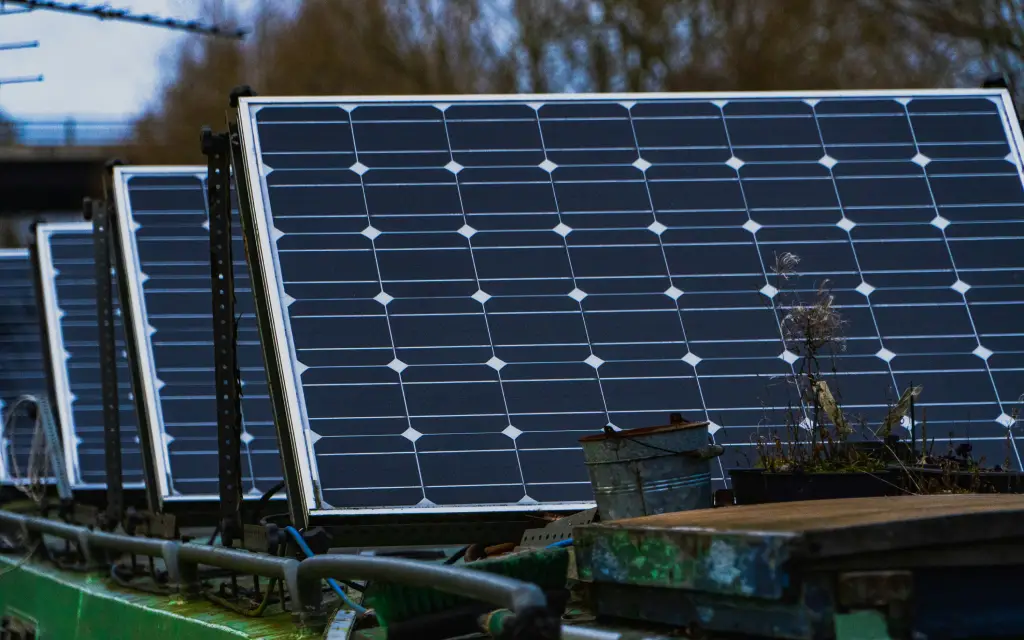
Description: Monocrystalline panels are easily recognizable by their uniform dark, often black, appearance. They are made from a single, pure crystal of silicon, which allows electrons to flow more freely, resulting in higher efficiency. These panels typically have rounded edges due to the way silicon ingots are sliced.
Pros & Cons:
- Pros: Highest efficiency rates (typically 18-25%), excellent performance in low-light conditions, longer lifespan, and a more aesthetically pleasing look due to their uniform color.
- Cons: Generally the most expensive per watt, and their performance can degrade slightly more in very hot conditions compared to some newer technologies.
Best for: Small rooftops with limited space, recreational vehicles (RVs), marine applications, and high-demand portable setups where maximizing power output from a compact area is critical.
Polycrystalline Solar Panels
Description: Polycrystalline panels have a speckled, blue appearance, reflecting the multiple silicon crystals used in their construction. The manufacturing process is simpler and less energy-intensive than monocrystalline panels, leading to a lower production cost.
Pros & Cons:
- Pros: More cost-effective per watt than monocrystalline panels, making them a budget-friendly option. They tend to perform slightly better than monocrystalline panels in extremely hot environments.
- Cons: Lower efficiency rates (typically 15-20%) compared to monocrystalline, meaning a larger surface area is required to generate the same amount of power. Their lifespan is generally similar to monocrystalline but can vary.
Best for: Budget-conscious projects, applications where ample space is available, and larger DIY solar projects where initial cost is a primary concern.
Thin-Film Solar Panels
Description: Thin-film panels are made by depositing one or more thin layers of photovoltaic material (such as amorphous silicon, cadmium telluride, or copper indium gallium selenide) onto a substrate like glass, plastic, or metal. They are distinct for their flexibility and lightweight nature.
Pros & Cons:
- Pros: Extremely flexible, lightweight, and can be integrated into various surfaces, including curved ones. They often perform well in shaded conditions and high temperatures. Lower manufacturing cost in some cases.
- Cons: Significantly lower efficiency rates (typically 7-15%) compared to crystalline silicon panels, requiring a much larger area to produce the same power. They also tend to have a shorter lifespan and can degrade faster.
Best for: Portable chargers, flexible installations (e.g., on tents or backpacks), niche applications where weight and flexibility are paramount, and large-scale solar farms where space is not a constraint (though less common for small applications).