


The Definitive Guide to High-Capacity Residential Solar Panels in India (2026): Prices, Subsidies, and Maximizing ROI
India’s journey towards sustainable energy has accelerated dramatically, with residential rooftop solar emerging as a cornerstone of this transformation. For homeowners in 2026, investing in a high-capacity solar system (typically 1kW to 5kW and above) is no longer merely an environmental choice but a strategic financial decision. The allure of significantly reduced electricity bills, long-term energy independence, and substantial government incentives, particularly through the PM Surya Ghar Muft Bijli Yojana, makes this an opportune moment for adoption.
This definitive guide is tailored for homeowners considering a substantial investment in their property’s energy future. We will delve into the intricacies of selecting, financing, and optimizing high-capacity residential solar installations in India. Our focus will be on the leading industrial-grade brands—Adani Solar, Tata Power Solar, and Waaree Energies—their advanced technologies, and the critical financial mechanisms, such as subsidies and net metering, that underpin a successful residential solar project. This content is specifically designed to address the needs of grid-tied, permanent rooftop installations, distinguishing itself from portable or small-scale solar applications.
Leading Manufacturers of High-Capacity Residential Solar Panels in India: A Strategic Overview
When embarking on a residential solar project of 1kW or more, the choice of manufacturer is paramount. Homeowners must prioritize brands with proven track records in large-scale production, robust warranty support, and adherence to stringent quality standards. The Indian market for high-capacity panels is dominated by a few key players, each bringing unique strengths to the table.
| Manufacturer | Core Strength for Residential Systems | Key Technologies Offered | Market Focus |
|---|---|---|---|
| Adani Solar | Vertically integrated, cost-effective high-wattage modules | Mono PERC, Bifacial, DCR-compliant | Large-scale residential and commercial |
| Tata Power Solar | Unmatched brand trust, extensive service network, premium quality | Mono PERC, Polycrystalline (high-efficiency variants) | Reliable, long-term residential and industrial solutions |
| Waaree Energies | Largest manufacturing capacity, cutting-edge cell technology | Topcon, Mono PERC, Bifacial (high-efficiency) | Innovation-driven, maximizing energy yield |
Adani Solar stands out due to its comprehensive vertical integration, controlling the manufacturing process from silicon to module. This allows them to offer highly competitive pricing for their high-wattage Mono PERC and Bifacial modules, which are crucial for maximizing energy generation on residential rooftops. Their panels are engineered for durability and performance in diverse Indian climatic conditions, making them a strong contender for homeowners seeking a balance of cost-efficiency and robust output.
Tata Power Solar commands significant trust, a critical factor for homeowners making a long-term investment. While their modules might be positioned at a slightly higher price point, this is often justified by their extensive after-sales service network, comprehensive warranties, and a reputation for unwavering reliability. For many, the assurance of a brand like Tata is invaluable when installing a permanent fixture on their home.
Waaree Energies, as India’s largest solar module manufacturer, is at the forefront of technological innovation. They consistently introduce advanced cell technologies like N-Type Topcon and high-efficiency Bifacial panels, which are ideal for homeowners looking to extract the maximum possible energy from their available rooftop space. Their focus on high-performance modules caters to those who prioritize peak efficiency and long-term energy yield.
Understanding High-Capacity Residential Solar System Costs in India (2026): 1kW to 5kW
The financial commitment for a residential rooftop solar system is a primary consideration for homeowners. The total cost encompasses not just the panels but also the inverter, mounting structure, wiring, installation, and crucially, the benefits of government subsidies. In 2026, prices for grid-tied systems have become more transparent and accessible, especially with the structured support from the PM Surya Ghar Muft Bijli Yojana.
The following table outlines indicative pricing for complete on-grid residential solar systems, which are the most prevalent choice due to their seamless integration with the existing electricity grid and eligibility for central government subsidies.
| System Capacity | Estimated Price Before Subsidy (INR) | PM Surya Ghar Subsidy (INR) | Net Cost to Homeowner (INR) |
|---|---|---|---|
| 1kW Rooftop System | ₹65,000 – ₹75,000 | ₹30,000 | ₹35,000 – ₹45,000 |
| 2kW Rooftop System | ₹1,20,000 – ₹1,40,000 | ₹60,000 | ₹60,000 – ₹80,000 |
| 3kW Rooftop System | ₹1,80,000 – ₹2,10,000 | ₹78,000 | ₹1,02,000 – ₹1,32,000 |
| 5kW Rooftop System | ₹3,00,000 – ₹3,50,000 | ₹78,000* | ₹2,22,000 – ₹2,72,000 |
Note: The PM Surya Ghar Yojana subsidy is capped at ₹78,000 for systems of 3kW and above for residential installations. While larger systems like 5kW or 10kW can be installed, the maximum central government subsidy remains fixed at the 3kW threshold.
For many Indian households, the 3kW solar panel price in India with subsidy represents an optimal balance between initial investment and substantial energy savings. This capacity is typically sufficient to offset the electricity consumption of a medium-sized family home, covering major appliances and ensuring a rapid return on investment. The 5kW solar panel price in India caters to larger homes with higher energy demands, such as those with multiple air conditioning units, electric vehicle charging, or extensive electronic usage.
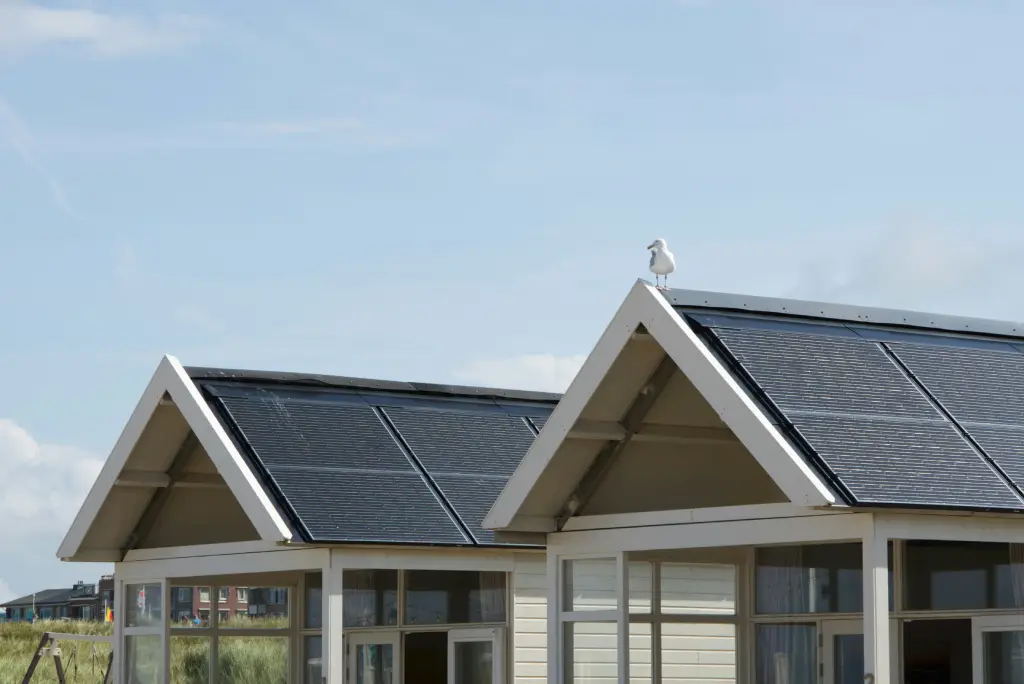
The 3kW and 5kW Rooftop Systems: Powering the Modern Indian Home
The decision to install a 3kW or 5kW solar system is often driven by a household’s specific energy consumption patterns and available rooftop space. These capacities are designed to provide significant energy independence and financial benefits for residential users.
Energy Generation Potential: What to Expect
Understanding the electricity output of your chosen system is crucial for projecting savings. The 3kW solar panel unit generation and 5kW system generation are influenced by factors such as geographical location, panel orientation, tilt angle, and local weather conditions. On average, a well-maintained system in India can be expected to generate:
| System Capacity | Average Daily Generation (kWh) | Average Monthly Generation (kWh) | Average Annual Generation (kWh) |
|---|---|---|---|
| 3kW Rooftop System | 12 to 15 units | 360 to 450 units | 4,300 to 5,400 units |
| 5kW Rooftop System | 20 to 25 units | 600 to 750 units | 7,300 to 9,100 units |
These figures demonstrate the substantial capacity of these systems to meet and often exceed the energy requirements of most Indian homes. In regions with abundant sunshine, such as Rajasthan and Gujarat, actual generation can frequently surpass these averages, leading to even greater savings and potential for net metering credits.
Adani Solar Panel Price 3kW and 5kW: A Brand-Specific Perspective
For homeowners specifically considering Adani Solar, their competitive pricing and robust module technology make them a popular choice. A complete 3kW Adani solar system, including high-efficiency Mono PERC modules, a compatible inverter, sturdy mounting structures, and professional installation, typically falls within the ₹1,85,000 to ₹2,05,000 range before subsidy. Post-subsidy, the effective cost for the homeowner can be as low as ₹1,07,000 to ₹1,27,000.
Similarly, a 5kW Adani solar system, designed for higher energy demands, would see an initial investment in the range of ₹3,00,000 to ₹3,40,000. With the maximum ₹78,000 subsidy applied, the net cost would be approximately ₹2,22,000 to ₹2,62,000. These figures highlight the significant financial leverage provided by government incentives when opting for DCR-compliant modules from reputable manufacturers.
The PM Surya Ghar Muft Bijli Yojana: Empowering Residential Solar Adoption
The PM Surya Ghar Muft Bijli Yojana is the cornerstone of India’s residential solar push, designed to make rooftop solar accessible and affordable for millions. This scheme offers a direct financial subsidy, credited directly to the homeowner’s bank account, significantly reducing the upfront cost of installation. Understanding its mechanics is vital for any prospective solar owner.
Subsidy Structure and Essential Eligibility Criteria
The subsidy amounts are standardized based on the system’s capacity, ensuring equitable access to financial support:
| System Capacity | Central Government Subsidy Amount (INR) |
|---|---|
| 1kW Rooftop System | ₹30,000 |
| 2kW Rooftop System | ₹60,000 |
| 3kW Rooftop System and Above | ₹78,000 |
A critical eligibility requirement for this scheme is the exclusive use of DCR (Domestic Content Requirement) modules. This mandate ensures that the solar cells and modules are manufactured within India, fostering domestic industry growth and self-reliance. Leading brands like Adani Solar, Tata Power Solar, and Waaree Energies actively produce DCR-compliant panels specifically to meet the requirements of this government initiative.
Navigating the Application Process for PM Surya Ghar Subsidy
The application for the PM Surya Ghar Yojana has been streamlined through a dedicated national portal, simplifying the journey for homeowners:
- Online Registration: Begin by registering on the official PM Surya Ghar portal. This typically requires your mobile number, email, and electricity consumer number.
- Feasibility Assessment: Submit your application for a rooftop solar installation. Your local DISCOM (Electricity Distribution Company) will then conduct a technical feasibility study to ensure your home’s grid connection and roof are suitable.
- Vendor Selection & Installation: Upon receiving technical feasibility approval, you can select a registered and approved vendor from the portal’s list to proceed with the system installation. It is crucial to choose a vendor with a strong track record in high-capacity residential installations.
- Inspection and Net Metering Activation: After the installation is complete, the DISCOM will inspect the system to verify compliance with standards and then install a bi-directional net meter. This meter is essential for tracking both electricity consumed from and supplied to the grid.
- Subsidy Disbursement: Once the system is commissioned and net metering is active, you submit the final installation details and a cancelled cheque via the portal. The eligible subsidy amount is then directly credited to your bank account, typically within 30 days.
Advanced Technical Considerations for Optimal Residential Solar Performance
Achieving maximum efficiency and longevity from a high-capacity residential solar system requires an understanding of advanced technical aspects beyond basic panel selection. These elements contribute significantly to the system’s overall performance and return on investment.
Evolution of Module Technology: Mono PERC, Bifacial, and Topcon for Rooftops
Modern residential solar panels leverage cutting-edge technologies to enhance energy capture and durability:
- Mono PERC (Passivated Emitter and Rear Cell): These remain the industry standard for high-efficiency residential installations in 2026. Offering efficiencies typically between 20-22%, Mono PERC panels excel in converting sunlight into electricity, even in challenging low-light or high-temperature conditions common in India.
- Bifacial Panels: Increasingly popular for residential applications, bifacial modules can generate electricity from both their front and rear surfaces. By capturing reflected sunlight (albedo) from the rooftop, these panels can boost overall energy yield by 5-25%. They are particularly effective on light-colored or elevated rooftops where significant light reflection occurs.
- Topcon (Tunnel Oxide Passivated Contact): Representing the pinnacle of current commercial solar technology, N-Type Topcon modules offer efficiencies exceeding 24%. Their superior performance in varying temperatures and lower degradation rates over time make them a premium choice for homeowners seeking to maximize long-term energy production and system lifespan.
The Indispensable Role of Net Metering in Grid-Tied Systems
Net metering is the financial mechanism that makes grid-tied residential solar systems so attractive. It allows homeowners to send any excess electricity generated by their panels back to the utility grid, receiving credits on their electricity bill. When the solar system isn’t producing enough power (e.g., at night or on cloudy days), the home draws electricity from the grid, and these credits are used to offset the cost. At the end of a billing cycle, the homeowner only pays for the “net” electricity consumed. This system effectively transforms your rooftop into a personal power plant, ensuring that every unit of electricity generated contributes to significant savings.
Return on Investment (ROI) for High-Capacity Residential Solar: A Financial Breakdown
The financial viability of a residential solar system is often measured by its Return on Investment (ROI) and payback period. Let’s consider a typical 3kW system as an example, demonstrating why it’s a sound investment:
- Average Net Investment (Post-Subsidy): ₹1,20,000 (This figure can vary based on brand, location, and specific components).
- Average Monthly Electricity Savings: ₹3,000 (Based on offsetting 400 units at an average tariff of ₹7.5 per unit).
- Annual Savings: ₹36,000.
- Estimated Payback Period: Approximately 3.3 to 4 years.
- Total Savings Over 25-Year Lifespan: Potentially over ₹9,00,000 (This excludes the benefit of rising electricity tariffs, which would further enhance savings).
This robust financial outlook underscores that a high-capacity residential solar system is not an expense but a high-yield, long-term asset that provides free electricity for decades after the initial investment is recovered.
Quick Wins and Maintenance Best Practices for Maximizing Residential Solar Performance
To ensure your high-capacity residential solar system operates at peak efficiency and delivers maximum ROI, consider these practical
strategies and maintenance tips:
Optimizing Performance: Quick Wins for Homeowners
- Optimal Panel Orientation and Tilt: For fixed rooftop installations, ensure panels are oriented due south (in the Northern Hemisphere) and tilted at an angle roughly equal to your geographical latitude. This maximizes year-round solar exposure. Even a slight deviation can impact generation. For instance, in Delhi (latitude ~28°N), a tilt of 28 degrees is ideal.
- Regular Cleaning Schedule: Dust, grime, and bird droppings are significant efficiency detractors. A simple bi-weekly cleaning with plain water and a soft brush or cloth can prevent up to a 20% loss in generation. Avoid harsh chemicals or abrasive materials that could damage the panel surface.
- Leverage Smart Monitoring Systems: Most modern inverters come equipped with Wi-Fi connectivity and mobile applications. Regularly monitor your system’s daily, monthly, and annual energy production. This allows for early detection of performance anomalies, shading issues, or equipment malfunctions, enabling prompt corrective action.
- Trim Shading Obstructions: Periodically inspect your rooftop for any new or growing obstructions (trees, new constructions, satellite dishes) that might cast shadows on your panels, especially during peak sunlight hours. Proactively trim branches or relocate minor obstructions to maintain unhindered sun exposure.
- Understand Your Electricity Bill: Familiarize yourself with your DISCOM’s billing structure, particularly regarding net metering. Understanding how credits are applied and when they expire can help you optimize your consumption patterns and maximize savings.

Long-Term Maintenance Checklist for Residential Systems
Proper maintenance is key to ensuring your high-capacity solar system delivers its promised performance for its entire 25-year lifespan:
- Bi-Annual Professional Inspection: Schedule a professional inspection every six months. Technicians can check electrical connections, inverter health, mounting integrity, and identify any potential issues before they escalate.
- Inverter Health Check: The inverter is the most complex component of your system. Pay attention to any error codes displayed on its interface or reported via the monitoring app. Ensure it is housed in a well-ventilated area to prevent overheating.
- Wiring and Connection Integrity: Over time, exposure to elements can degrade wiring and connections. Periodically check for frayed wires, loose connections, or signs of corrosion. Ensure all conduits are sealed to prevent water ingress.
- Mounting Structure Stability: High winds and seismic activity can stress mounting hardware. Annually inspect all bolts, clamps, and rails to ensure they are securely fastened and show no signs of rust or structural fatigue.
- Pest Control: Birds and rodents can nest under panels, potentially damaging wiring. Regular checks and, if necessary, installing bird netting or deterrents can prevent such issues.
Frequently Asked Questions (FAQs) for High-Capacity Residential Solar
For most Indian homes, a 3kW system is considered ideal as it balances electricity generation with available rooftop space and maximizes government subsidy benefits. Larger homes with higher consumption (e.g., multiple ACs, EVs) may benefit more from a 5kW system.
A 3kW system typically requires approximately 300-350 sq. ft. of shadow-free rooftop area, while a 5kW system needs about 500-550 sq. ft. This can vary slightly based on panel efficiency and mounting structure.
Yes, a well-designed 3kW on-grid solar system can comfortably power a 1.5-ton inverter AC along with other essential household appliances (lights, fans, refrigerator) during daylight hours. With net metering, excess power generated can offset evening consumption.
An on-grid system is connected to the utility grid, allowing you to export excess power and draw from the grid when needed. It is the most common and cost-effective for residential use, especially with net metering. An off-grid system is independent of the utility grid and requires battery storage, making it more expensive and complex, typically used in remote areas without grid access.
High-quality residential solar panels from reputable manufacturers like Adani, Tata, and Waaree come with a performance warranty of 25 years, guaranteeing at least 80-85% of their original output. The physical lifespan can often extend beyond 30 years with proper maintenance.
The subsidy is primarily for grid-connected residential rooftop solar systems. It requires the use of DCR (Domestic Content Requirement) modules, meaning panels manufactured in India. The subsidy is capped at ₹78,000 for systems of 3kW and above.
Conclusion: Securing Your Energy Future with High-Capacity Residential Solar
The Indian residential solar landscape in 2026 presents an unparalleled opportunity for homeowners to achieve significant energy savings and contribute to a sustainable future. By focusing on high-capacity rooftop systems (1kW to 5kW), leveraging the generous subsidies offered by the PM Surya Ghar Muft Bijli Yojana, and choosing reliable, DCR-compliant modules from industry leaders like Adani Solar, Tata Power Solar, and Waaree Energies, homeowners can make an informed and highly beneficial investment.
This guide has meticulously detailed the pricing structures, energy generation potential, application processes, and crucial technical considerations for these robust systems. The emphasis on grid-tied infrastructure, net metering, and advanced module technologies ensures that your investment is not only financially sound but also future-proof. By implementing the quick wins and adhering to the maintenance best practices outlined, you can ensure your residential solar system delivers clean, cost-effective electricity for decades, truly securing your energy independence in the evolving Indian power sector.