
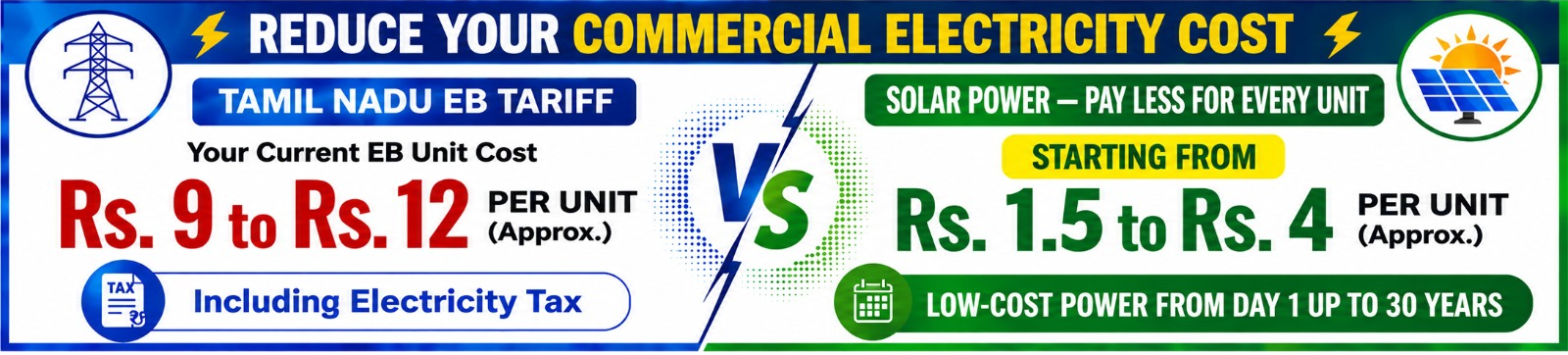
A group captive power plant is a power generation project jointly owned by multiple commercial or industrial electricity consumers who collectively consume at least 51% of generated power while maintaining at least 26% ownership equity under Indian captive power regulations.
A group captive solar power plant allows industries to procure renewable electricity through open access mechanisms at lower tariffs compared to conventional DISCOM power supply.
Industrial electricity costs in India continue to rise due to increasing power procurement costs, fuel price fluctuations, grid infrastructure expenses, and regulatory surcharges. Commercial and industrial consumers are actively exploring renewable energy procurement strategies that reduce operational costs while improving long-term sustainability.
Source: Ministry of Power India – Power Sector Updates
A group captive power plant is one of the most effective renewable energy procurement models available for Indian industries. The group captive model allows multiple businesses to jointly invest in a solar or renewable energy project and procure electricity through open access mechanisms.
Group captive solar power plants provide lower electricity tariffs, improved energy price predictability, reduced carbon emissions, and stronger ESG positioning.
This guide explains how group captive power plants work in India, including ownership rules, open access regulations, financial savings, industry applications, implementation processes, and long-term business advantages.
Why Group Captive Solar Matters
Indian industries are increasingly adopting group captive renewable energy models because electricity tariffs continue to rise across major industrial states. Group captive solar helps businesses reduce long-term electricity costs while supporting sustainability and ESG objectives.
Who Should Consider Group Captive Solar?
Group captive solar is suitable for: manufacturing industries, textile companies, automotive suppliers, food processing businesses, warehousing facilities, commercial complexes, industrial parks, high-energy consumption SMEs, and ESG-focused enterprises.
Quick Summary Table
| Parameter | Group Captive Solar |
|---|---|
| Ownership Requirement | Minimum 26% collective equity |
| Consumption Requirement | Minimum 51% annual consumption |
| Best Suitable For | Commercial & industrial consumers |
| Major Benefit | Lower electricity cost |
| Energy Source | Solar / Wind / Hybrid |
| Power Delivery | Open access mechanism |
| Typical Savings | 20%–45% depending on state |
| Regulatory Basis | Electricity Act 2003 |
Understanding the Group Captive Power Model in India
What Is Captive Power Generation?
Captive power generation refers to electricity generation primarily used for self-consumption by the power users who own the generating asset. Captive power plants help industries reduce dependence on DISCOM electricity while improving energy cost control and supply reliability.
Industrial captive power generation in India may include solar power plants, wind power plants, hybrid renewable systems, gas-based captive plants, and biomass energy systems. Renewable captive power models are increasingly preferred because renewable energy offers lower operating costs and stronger sustainability benefits.
What Is the Difference Between Captive and Group Captive?
A captive power plant is generally owned by a single consumer or company. A group captive power plant is jointly owned by multiple electricity consumers.
| Parameter | Captive | Group Captive |
|---|---|---|
| Ownership | Single consumer | Multiple consumers |
| Investment Requirement | High | Shared |
| Consumption Structure | Single entity | Multiple entities |
| Flexibility | Limited | Higher |
| Suitable For | Very large industries | SMEs + large industries |
The group captive model reduces the investment burden because multiple businesses share project ownership and electricity procurement.
What Is Open Access Power Procurement?
Open access power procurement allows electricity consumers to buy power directly from generators instead of purchasing electricity solely from DISCOM utilities. Open access mechanisms enable renewable energy procurement, competitive electricity pricing, long-term tariff planning, and access to solar and wind energy.
Group captive solar projects depend heavily on open access infrastructure because generated power must be transmitted from the renewable energy plant to participating consumers.
Group Captive Ownership Structure Explained
Indian group captive regulations require a minimum 26% ownership equity by captive users and minimum 51% annual power consumption by captive users. These rules are governed under Rule 3 of the Electricity Rules. Failure to meet ownership or consumption criteria may result in the loss of captive status and additional open access surcharges.
Assess Your Eligibility for Group Captive Solar
Speak with NST Solar & Wind Energy to assess whether your business qualifies for group captive solar savings.
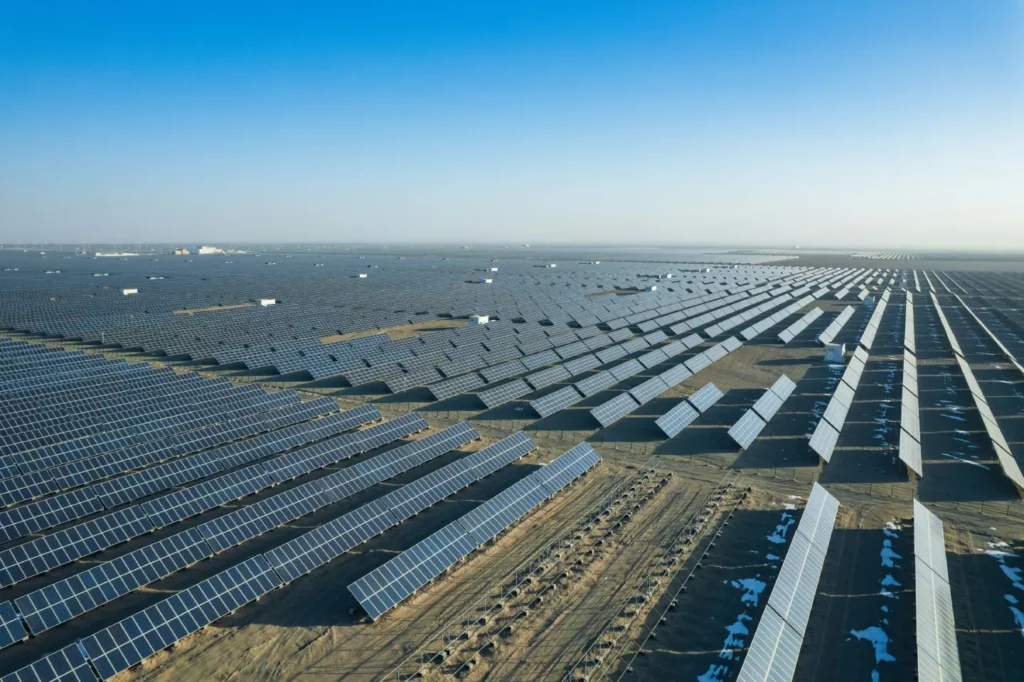
Legal and Regulatory Framework for Group Captive Power Plants in India
Electricity Act 2003 Overview
The Electricity Act 2003 created the legal foundation for open access power procurement and captive power generation in India. The Act encourages competition in electricity markets, private participation in power generation, renewable energy adoption, open access transmission, and consumer choice in electricity sourcing. The Electricity Act significantly accelerated renewable energy growth for commercial and industrial consumers.
Source: Electricity Act 2003 – Ministry of Power India
Rule 3 of Captive Power Plant Rules
Rule 3 defines the conditions required for captive generating plants and group captive structures.
- Captive users must collectively own at least 26% of equity
- Captive users must consume at least 51% of generated electricity annually
- Ownership and consumption must remain proportional
Source: Electricity Rules, 2005 – Rule 3
26% Ownership Requirement Explained
The 26% ownership rule ensures that participating consumers maintain genuine ownership interest in the power project. Ownership may be structured through SPV participation, equity shareholding, joint investment models, or renewable energy partnerships. The ownership structure must comply with applicable regulatory guidelines.
51% Consumption Requirement Explained
Captive consumers must collectively consume at least 51% of total electricity generated annually. This rule prevents misuse of captive status for commercial electricity trading. Businesses must carefully monitor energy scheduling, monthly consumption, annual reconciliation, and power allocation ratios. Consumption mismatch risks are one of the most important compliance considerations in group captive projects.
Green Energy Open Access Rules 2022
The Green Energy Open Access Rules 2022 simplified renewable energy procurement for commercial and industrial consumers. The rules support faster renewable energy adoption, simplified approval processes, green power procurement, and reduced barriers for commercial consumers. The rules also encourage India’s broader decarbonization and energy transition goals.
Source: Ministry of Power – Green Energy Open Access Rules 2022
Banking and Wheeling Regulations
Banking allows surplus renewable energy generated during one period to be adjusted against future electricity consumption. Wheeling refers to the transmission of electricity through grid infrastructure from the generating station to the end consumer. State regulations determine banking charges, banking periods, wheeling losses, open access charges, and cross-subsidy surcharges. Regulatory policies vary significantly between Indian states.
Key Compliance Risks for Industries
How a Group Captive Solar Power Plant Works
Project Development Structure
A typical group captive solar project involves a solar developer or EPC company, Special Purpose Vehicle (SPV), participating captive consumers, open access approvals, power purchase agreements, and grid connectivity arrangements. The SPV generally owns and operates the renewable energy asset.
Equity Participation Model
Participating industries invest through equity participation in the SPV. Equity allocation determines ownership percentage, energy entitlement, compliance obligations, and voting rights. Businesses usually prefer structured equity participation because it balances investment exposure and energy procurement flexibility.
Power Purchase Agreements (PPA)
A Power Purchase Agreement defines tariff structure, power allocation, contract duration, billing methodology, risk allocation, and exit clauses. Long-term PPAs improve electricity cost visibility for industrial consumers.
Energy Scheduling and Metering
Electricity scheduling and metering are essential operational components in group captive projects. Key operational activities include demand forecasting, load scheduling, meter synchronization, grid coordination, and consumption tracking. Advanced monitoring systems improve energy management accuracy.
Banking and Settlement Mechanism
Renewable energy generation fluctuates due to weather conditions. Banking mechanisms help industries utilize excess generation efficiently. Settlement mechanisms calculate net energy consumption, banking credits, wheeling losses, and open access adjustments. Efficient banking policies significantly improve renewable energy economics.
Benefits of Group Captive Solar Power for Industries
Significant Electricity Cost Reduction
Group captive solar power significantly reduces industrial electricity costs compared to conventional DISCOM tariffs. Most commercial and industrial consumers achieve savings because solar power generation costs remain relatively stable over long periods. Typical savings range between 20% and 45% depending on state regulations, open access charges, consumption profile, tariff category, and banking policies.
Long-Term Tariff Stability
Conventional electricity tariffs are highly volatile. Group captive solar projects provide predictable electricity pricing through long-term PPAs. Tariff predictability helps in budget planning, operational forecasting, manufacturing cost management, and long-term financial stability.
Renewable Energy Adoption and ESG Benefits
Renewable energy adoption improves corporate ESG positioning. Businesses increasingly use group captive renewable energy for sustainability reporting, carbon reduction goals, investor expectations, green supply chain compliance, and international procurement standards. Global buyers increasingly prefer suppliers using renewable energy.
Source: International Energy Agency (IEA) – Renewables 2025
Reduced Carbon Emissions
Solar energy significantly lowers greenhouse gas emissions compared to conventional fossil-fuel-based electricity. Renewable energy procurement helps industries reduce Scope 2 emissions, improve sustainability metrics, support decarbonization goals, and enhance environmental performance.
Calculate Your Industry’s Savings Potential
Request a customized industrial electricity savings analysis from our renewable energy experts.
Group Captive vs Captive vs Third-Party Open Access Solar
| Parameter | Captive | Group Captive | Third-Party Open Access |
|---|---|---|---|
| Ownership | Single consumer | Shared ownership | No ownership |
| Investment Requirement | High | Moderate | Low |
| Regulatory Complexity | Moderate | High | Moderate |
| Electricity Savings | High | High | Moderate |
| Best Suitable For | Large enterprises | Multiple industries | Flexible buyers |
| ESG Benefit | Strong | Strong | Strong |
Which Model Is Best for Different Industry Types?
| Consumer Type | Recommended Model |
|---|---|
| Large manufacturing company | Captive or group captive |
| SME industrial unit | Group captive |
| Commercial building | Group captive or third-party |
| Multi-location enterprise | Group captive |
| Short-term procurement requirement | Third-party open access |
Which Industries Benefit Most from Group Captive Solar?
Textile Manufacturing Industries
Textile manufacturing units consume large volumes of electricity for spinning, weaving, processing, and dyeing operations. Group captive solar helps textile industries reduce operational expenses and improve export competitiveness.
Automotive Manufacturing Companies
Automotive industries require reliable electricity for automated production systems. Renewable energy procurement improves operational continuity, sustainability performance, and supply chain compliance.
Food Processing Industries
Food processing facilities require electricity for refrigeration, packaging, processing lines, and cold storage. Group captive renewable energy improves long-term energy cost control.
Industrial Parks and Industrial Estates
Industrial clusters are ideal candidates for group captive models because multiple consumers can jointly participate in shared renewable projects.
Commercial Buildings and IT Parks
Commercial complexes increasingly adopt group captive solar because renewable procurement supports sustainability branding and operational savings.
Warehousing and Logistics Facilities
Warehousing facilities operate energy-intensive lighting, cooling, and automation systems. Renewable power procurement improves long-term operational efficiency.
Financial Analysis — Cost Savings Through Group Captive Solar
Industrial Electricity Cost Trends in India
Industrial electricity tariffs in India have steadily increased due to fuel cost adjustments, grid modernization costs, regulatory surcharges, and cross-subsidy structures. High-tension industrial consumers are increasingly adopting renewable energy to reduce electricity expenditure.
Typical Savings Percentage for Industries
| State | Estimated Savings Range |
|---|---|
| Tamil Nadu | 20%–40% |
| Karnataka | 25%–45% |
| Telangana | 20%–35% |
| Maharashtra | 15%–30% |
| Gujarat | 20%–40% |
Savings depend heavily on load profile, voltage category, open access policy, and renewable generation performance.
Sample Cost Savings Calculation
| Parameter | Example Value |
|---|---|
| Existing DISCOM Tariff | ₹9/unit |
| Group Captive Solar Cost | ₹6/unit |
| Monthly Consumption | 10 lakh units |
| Monthly Savings | ₹30 lakh |
| Annual Savings | ₹3.6 crore |
These estimates vary by industry and state policy.
ROI Expectations and Payback Period
Group captive projects usually deliver long-term electricity savings, stable tariff planning, and strong sustainability returns. Typical payback periods range from 3–6 years depending on project structure.
Open Access Charges Explained
Open access power procurement may include wheeling charges, transmission charges, banking charges, SLDC charges, cross-subsidy surcharge, and additional surcharge. Charge structures vary by state and periodically change due to regulatory revisions.
State-Wise Opportunities for Group Captive Renewable Energy in India
Tamil Nadu Open Access Market
Tamil Nadu remains one of India’s largest inindustrial renewable energyarkets with a strong manufacturing base, mature wind and solar ecosystem, large HT consumer base, and strong renewable infrastructure.
Source: Tamil Nadu Electricity Regulatory Commission
Karnataka Renewable Energy Policies
Karnataka has historically supported open access renewable energy procurement. The state remains attractive for solar development, industrial open access, and corporate renewable sourcing.
Source: Karnataka Electricity Regulatory Commission
Telangana and Andhra Pradesh
Both states continue expanding renewable energy infrastructure for industrial consumers across pharmaceuticals, manufacturing, and industrial processing sectors.
Maharashtra Group Captive Potential
Maharashtra’s large industrial ecosystem creates strong long-term renewable energy demand.
Source: Maharashtra Electricity Regulatory Commission
Gujarat Industrial Renewable Energy Growth
Gujarat’s industrial sector increasingly adopts renewable energy due to strong manufacturing activity and industrial expansion.
Source: Gujarat Electricity Regulatory Commission
Rajasthan Solar Open Access Advantages
Rajasthan offers strong solar irradiation and utility-scale renewable development opportunities, making it one of the most attractive states for large-scale open access solar procurement.
Step-by-Step Process to Set Up a Group Captive Solar Project
Assess Electricity Consumption Requirements
Evaluate monthly electricity usage, load patterns, peak demand profile, and annual consumption trends. Accurate load analysis improves project optimization.
Conduct Financial Feasibility Analysis
Financial evaluation should include savings projections, open access charges, equity participation costs, ROI analysis, and long-term tariff comparisons.
Select a Renewable Energy Partner
Choose an experienced partner based on regulatory expertise, project execution capability, industrial experience, O&M support, and open access advisory capability.
Structure Equity Participation
Equity participation structures must comply with group captive regulations. Legal and financial advisors assist with SPV structuring, shareholding agreements, and regulatory compliance.
Execute PPA and Legal Agreements
Finalize power purchase agreements, shareholder agreements, energy allocation terms, and exit provisions.
Obtain Open Access Approvals
Approvals involve state nodal agencies, SLDC coordination, grid synchronization, and transmission approvals.
Commission the Renewable Energy Project
Commissioning activities include plant testing, meter synchronization, grid integration, and operational verification.
Monitor Compliance and Consumption
Continuously track consumption ratios, ownership structure, scheduling performance, and regulatory updates to maintain captive status.
Challenges and Risks in Group Captive Power Projects
Regulatory Policy Changes
State open access policies may change periodically, affecting banking benefits, surcharges, open access eligibility, and tariff economics.
Consumption Mismatch Risks
Failure to meet 51% consumption criteria may lead to loss of captive status. Industries must carefully manage annual energy utilization.
Open Access Charge Variability
State regulators periodically revise wheeling charges, banking charges, and additional surcharges. Charge revisions influence project economics.
Grid Curtailment Challenges
Renewable energy projects may occasionally face grid curtailment during low demand or transmission congestion periods.
Contractual and Legal Risks
Long-term PPAs require careful drafting covering exit conditions, force majeure clauses, tariff escalation terms, and energy allocation obligations.
How Experienced Renewable Energy Partners Reduce Risks
Experienced renewable energy consultants help industries navigate regulations, improve project economics, reduce compliance risks, and optimize procurement structures.
Real-World Use Cases and Industry Scenarios
Textile Industry Electricity Savings Example
A textile manufacturing cluster in Tamil Nadu may use group captive solar to reduce high spinning and processing electricity costs. Shared renewable procurement improves competitiveness in export-oriented textile manufacturing.
Automotive Supplier Renewable Energy Transition
Automotive component manufacturers increasingly use renewable energy procurement to meet sustainability requirements from global OEM customers.
Industrial Estate Shared Procurement Example
Industrial estates can jointly participate in renewable projects to improve energy affordability across multiple units.
ESG-Focused Corporate Procurement Example
Large corporates use group captive renewable energy to achieve carbon reduction targets, RE100 alignment, sustainability reporting goals, and green procurement commitments.

Explore Customized Renewable Energy Procurement Models
Get state-wise group captive regulatory guidance and customized proposals from NST Solar & Wind Energy experts.
How NST Solar & Wind Energy Supports Group Captive Solar Projects
Renewable Energy Consulting Services
NST Solar & Wind Energy helps businesses evaluate renewable procurement feasibility through detailed technical and commercial analysis.
Open Access Advisory Support
The company supports open access application processes, regulatory guidance, policy evaluation, and compliance planning.
Solar EPC and Project Development
NST Solar & Wind Energy supports end-to-end renewable project development including solar EPC execution, grid integration, plant commissioning, and operational support.
Industrial Energy Optimization Services
The company helps industrial consumers optimize electricity procurement, renewable integration, energy cost planning, and sustainability transition strategies.
Customized Commercial Proposals
Businesses can request customized savings analysis, renewable energy feasibility studies, state-wise policy evaluation, and long-term tariff comparison reports.
Frequently Asked Questions About Group Captive Power Plants
A group captive power plant is a jointly owned electricity generation facility where multiple consumers collectively maintain at least 26% ownership and consume at least 51% of generated power annually.
Group captive solar projects allow multiple industries to jointly invest in a solar power project and procure electricity through open access transmission networks.
Indian captive power regulations require captive users to collectively maintain at least 26% ownership equity in the generating project. Source: Electricity Rules 2005 – Rule 3
Failure to meet the 51% annual consumption requirement may result in the loss of captive status and additional open access surcharges.
Industrial consumers typically save between 20% and 45% on electricity costs depending on state regulations, load profile, and open access charges.
Yes. Group captive models are particularly suitable for SMEs because multiple businesses can share investment costs and renewable energy benefits.
Banking charges apply to energy adjustment mechanisms, while wheeling charges apply to electricity transmission through grid infrastructure. Both vary by state regulation.
Tamil Nadu, Karnataka, Gujarat, Telangana, Andhra Pradesh, Maharashtra, and Rajasthan are among the major industrial renewable energy markets in India.
Textile manufacturing, automotive, food processing, warehousing, pharmaceuticals, and industrial parks are among the industries that benefit significantly.
Yes. Hybrid renewable energy structures combining solar and wind are increasingly used for improving generation consistency and utilization.
Key Takeaways
Conclusion
Final Thoughts on Industrial Renewable Energy Transition
Group captive solar power plants represent one of the most commercially viable and strategically sound renewable energy procurement models for Indian industries. The combination of shared investment, open access infrastructure, regulatory compliance, and long-term tariff stability makes group captive models particularly attractive for manufacturing industries, SMEs, and commercial enterprises.
Why Group Captive Solar Is Becoming a Preferred Energy Procurement Model
As industrial electricity tariffs continue to rise and ESG expectations increase, group captive renewable energy adoption is expected to accelerate across India’s major industrial states. The model offers a practical pathway to renewable energy procurement without requiring single-company capital commitments.
Businesses that proactively evaluate group captive solar opportunities will gain competitive advantages through lower electricity costs, improved sustainability credentials, and enhanced long-term energy security.
Schedule Your Free Group Captive Solar Consultation
Schedule a free group captive solar consultation with NST Solar & Wind Energy to evaluate your long-term electricity savings potential.