

Introduction to Wind Turbine Maintenance
Wind energy has become one of the most important renewable power sources worldwide. Modern wind farms generate electricity through large turbines that operate continuously in challenging environmental conditions. However, maintaining consistent energy output requires structured wind turbine maintenance programs.
Wind turbine blades, gearboxes, generators, and control systems experience significant mechanical stress due to strong winds, temperature changes, and environmental exposure. Without regular inspections and repairs, these components may degrade and reduce turbine efficiency.
Effective wind energy maintenance strategies help wind farm operators:
- Prevent costly equipment failures
- Extend turbine lifespan
- Improve power generation efficiency
- Maintain operational safety
For wind farm operators, maintenance engineers, and renewable energy companies, understanding proper wind turbine blade inspection and repair methods is essential for reliable wind farm operation.
What Is Wind Turbine Maintenance?
Wind turbine maintenance refers to the systematic inspection, monitoring, servicing, and repair of turbine components to ensure safe and efficient electricity generation.
It includes a combination of preventive, predictive, and corrective maintenance tasks designed to keep turbines operating at peak performance.
Typical wind turbine operation and maintenance (O&M) activities include:
- Rotor blade inspection and repair
- Gearbox lubrication and monitoring
- Generator diagnostics
- Electrical system maintenance
- Tower structural inspections
- SCADA performance monitoring
Proper maintenance allows turbines to operate efficiently throughout their 20–25 year lifecycle.
Why Blade Inspection Is Critical for Wind Turbine Operation
Wind turbine blades are the most exposed components of a turbine and require frequent inspection to maintain aerodynamic efficiency and structural integrity.
Blade damage can significantly reduce power output because even small surface defects alter airflow and reduce energy capture.
Key reasons why blade inspection is essential:
- Maintain aerodynamic performance
- Detect cracks and structural damage early
- Prevent catastrophic blade failures
- Extend turbine service life
- Reduce downtime and maintenance costs
Many wind turbine failures begin with small blade defects that worsen over time if not repaired.

Types of Wind Energy Maintenance Strategies
Wind farms typically implement several maintenance strategies simultaneously to ensure reliability.
Preventive Maintenance
Preventive maintenance involves scheduled inspections and servicing performed before failures occur.
Examples include:
- Blade inspections
- Bolt tightening
- Gearbox lubrication
- Sensor calibration
- Electrical testing
This strategy reduces unexpected turbine shutdowns.
Predictive Maintenance
Predictive maintenance uses data analytics and monitoring systems to detect early signs of component wear.
Technologies include:
- Vibration monitoring
- Thermal imaging
- Oil particle analysis
- AI-based predictive diagnostics
Predictive maintenance helps maintenance teams intervene before serious failures occur.
Corrective Maintenance
Corrective maintenance is performed after a problem is detected but before major system failure occurs.
Typical examples:
- Repairing blade cracks
- Replacing worn bearings
- Fixing electrical faults
- Replacing sensors or cables
Corrective maintenance restores turbine performance and reliability.
Wind Turbine Blade Inspection Methods
Blade inspections are one of the most critical aspects of wind turbine maintenance. Wind farms use multiple inspection techniques depending on turbine size and location.
Visual Inspection
Technicians inspect blades for visible damage such as:
- Cracks
- Surface erosion
- Lightning strike marks
- Structural deformation
Visual inspections are often performed during scheduled maintenance shutdowns.
Drone-Based Inspections
Drone technology has significantly improved blade inspection efficiency.
Benefits include:
- Faster inspections
- Reduced safety risks
- High-resolution imaging
- Minimal turbine downtime
Drone inspections can identify small defects that may not be visible from the ground.
Ultrasonic Testing
Ultrasonic testing detects internal blade defects such as:
- Delamination
- Structural voids
- Internal cracks
This technique is commonly used for advanced blade diagnostics.
Thermal Imaging
Thermal cameras detect temperature variations that indicate internal damage or structural weaknesses within blades.
Thermal imaging is particularly useful for identifying hidden defects that cannot be detected through visual inspection alone.
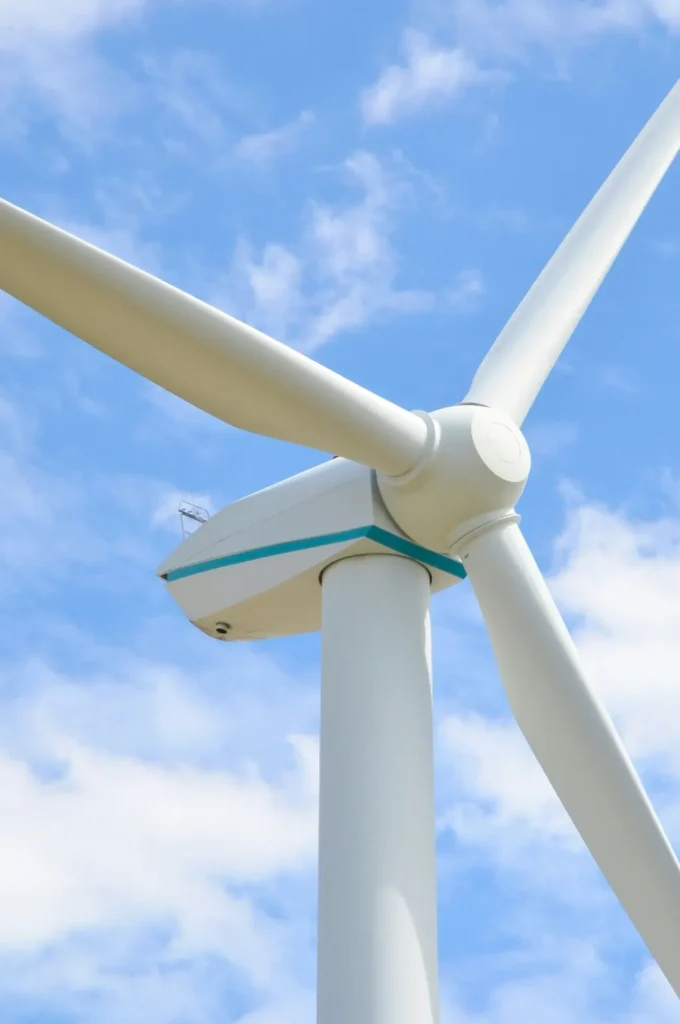
Common Wind Turbine Blade Damage and Causes
Wind turbine blades face several environmental and operational stresses.
Common blade issues include:
Leading Edge Erosion
Rain, dust, and airborne particles gradually erode the leading edge of blades.
Impact:
- Reduced aerodynamic efficiency
- Lower energy production
Lightning Strikes
Wind turbines are frequently struck by lightning due to their height.
Possible damage includes:
- Burn marks
- Internal structural damage
- Electrical system failures
Structural Cracks
Blade cracks may occur due to fatigue stress or manufacturing defects.
If left unrepaired, cracks can lead to catastrophic blade failure.
Surface Contamination
Dust, salt deposits, and insects can accumulate on blade surfaces.
This contamination reduces aerodynamic efficiency and power output.
Wind Turbine Blade Repair Techniques
When blade damage is detected, maintenance teams must repair the issue quickly to avoid further degradation.
Surface Repair
Minor surface damage can be repaired using:
- Composite fillers
- Resin coatings
- Protective paint layers
These repairs restore aerodynamic performance.
Structural Crack Repair
For deeper cracks, technicians use composite repair techniques such as:
- Fiberglass patching
- Epoxy resin injection
- Structural reinforcement
These methods restore blade strength.
Leading Edge Protection Systems
Many wind farms install leading edge protection coatings to prevent erosion caused by rain and debris.
This technology significantly extends blade lifespan.
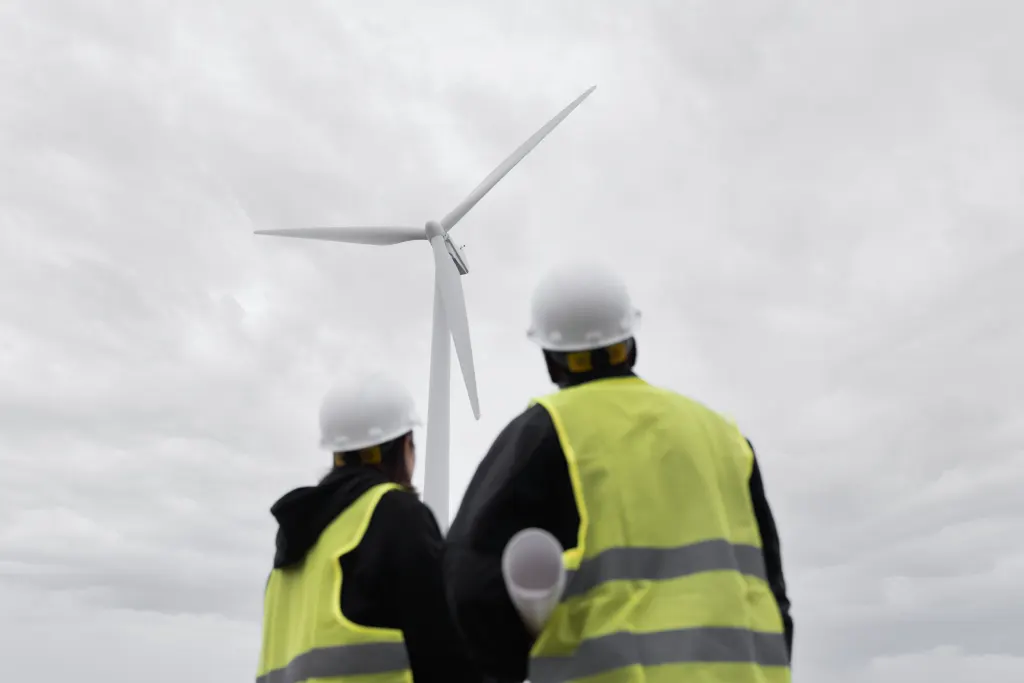
Step-by-Step Wind Turbine Maintenance Workflow
A structured maintenance workflow ensures consistent turbine performance.
1. Remote Monitoring
Operators monitor turbine performance using SCADA systems.
Key parameters include:
- Power output
- Vibration levels
- Temperature
- Wind speed
2. Scheduled Inspections
Technicians perform routine inspections including:
- Blade checks
- Gearbox monitoring
- Electrical diagnostics
3. Fault Detection
Condition monitoring systems detect anomalies such as:
- Abnormal vibrations
- Oil contamination
- Temperature spikes
4. Repair and Replacement
Maintenance teams repair damaged components or replace worn parts.
5. Performance Testing
After maintenance, turbines undergo performance testing to confirm proper operation.
Offshore Wind Turbine Maintenance
Offshore wind farms present additional challenges for turbine servicing.
Offshore wind turbine maintenance requires specialized equipment and logistics due to harsh marine environments.
Key challenges include:
- Saltwater corrosion
- Limited accessibility
- Severe weather conditions
- High transportation costs
Maintenance teams often use:
- Service vessels
- Helicopters
- Remote monitoring systems
Offshore wind turbine maintenance can cost two to three times more than onshore servicing.
Technologies Transforming Wind Energy Maintenance
Modern technologies are transforming how wind turbines are inspected and repaired.
SCADA Monitoring Systems
SCADA systems continuously track turbine performance and detect abnormalities.
Condition Monitoring Systems (CMS)
CMS technology analyzes turbine components such as:
- Bearings
- Gearboxes
- Generators
These systems detect early signs of wear.
Digital Twin Technology
Digital twins simulate turbine performance in real time, allowing engineers to predict failures before they occur.
Artificial Intelligence
AI-driven predictive maintenance models analyze operational data to identify maintenance requirements before breakdowns occur.
Cost of Wind Turbine Operation and Maintenance
Wind turbine operation and maintenance costs vary depending on turbine size and location.
Typical annual costs include:
| Turbine Type | Annual Maintenance Cost |
|---|---|
| Onshore Wind Turbine | $40,000 – $60,000 |
| Offshore Wind Turbine | $100,000 – $150,000 |
Maintenance typically accounts for 20–30% of total wind farm lifecycle costs.
Best Practices for Efficient Windmill Maintenance
Wind farm operators can improve reliability by implementing the following strategies.
Implement Predictive Maintenance
Use AI and monitoring systems to detect failures early.
Use Drone Inspections
Drone inspections reduce inspection time and safety risks.
Maintain Detailed Maintenance Records
Digital documentation improves maintenance planning.
Train Maintenance Engineers
Continuous training ensures technicians follow the latest safety and repair procedures.
Schedule Maintenance Strategically
Perform servicing during low wind periods to minimize production losses.
Future Trends in Wind Turbine Maintenance
Wind energy maintenance is evolving rapidly as new technologies emerge.
Future innovations include:
- Autonomous inspection drones
- Robotic blade repair systems
- AI-driven predictive analytics
- Advanced corrosion-resistant blade materials
- Fully automated turbine diagnostics
These technologies will significantly improve wind farm efficiency while reducing maintenance costs.
FAQ: Wind Turbine Maintenance
Wind turbine maintenance involves inspecting, monitoring, servicing, and repairing turbine components such as blades, gearboxes, generators, and electrical systems. Regular maintenance ensures turbines operate efficiently, prevents failures, and extends equipment lifespan.
Wind turbines are continuously monitored through SCADA systems. Physical inspections typically occur monthly or quarterly, while comprehensive servicing is usually performed annually.
Wind turbine blade maintenance involves inspecting blades for cracks, erosion, lightning damage, and structural defects. Repairs may include composite patching, resin injection, and protective coatings.
Common issues include:
- Blade erosion
- Gearbox failures
- Generator overheating
- Electrical faults
- Lightning damage
Early detection through predictive maintenance reduces repair costs.
Offshore wind turbine maintenance involves servicing turbines located at sea. It requires specialized vessels, corrosion protection, and remote monitoring systems due to harsh marine environments.
Key Takeaways
- Wind turbine maintenance is essential for reliable wind farm operation.
- Blade inspections help detect damage early and prevent major failures.
- Predictive maintenance technologies improve turbine reliability.
- Offshore wind turbine maintenance requires specialized equipment.
- Drone inspections and AI monitoring are transforming wind energy maintenance.