
Tiruppur is one of India’s largest textile manufacturing hubs and a major exporter of knitwear products.
Textile production processes such as spinning, dyeing, and knitting require large amounts of electricity. In Tamil Nadu alone, the textile sector consumed more than 6,200 GWh of electricity in 2024, highlighting the scale of energy demand in this industry. (CEIC Data)
Because of these high energy requirements, electricity costs are one of the biggest operational challenges for textile mills.
Why Electricity Costs Are High in Textile Mills
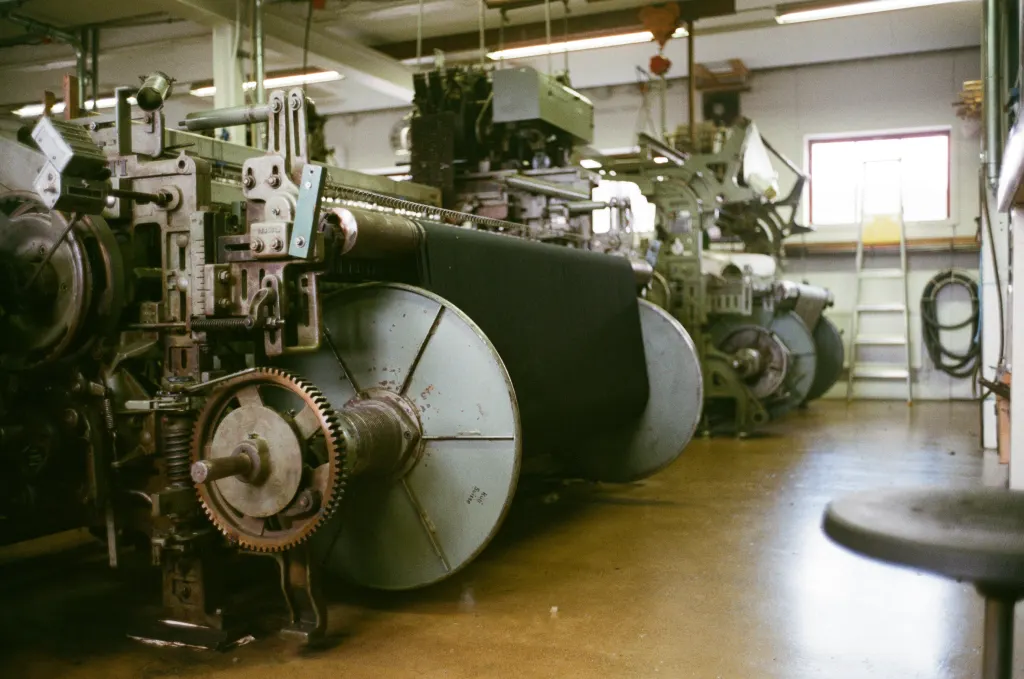
Textile factories operate energy-intensive equipment including:
- ring spinning frames
- compressors
- dyeing machines
- air conditioning systems
These machines often run continuously.
Energy Cost Reduction Strategies
To manage electricity expenses, many textile manufacturers are adopting strategies such as:
- energy-efficient motors
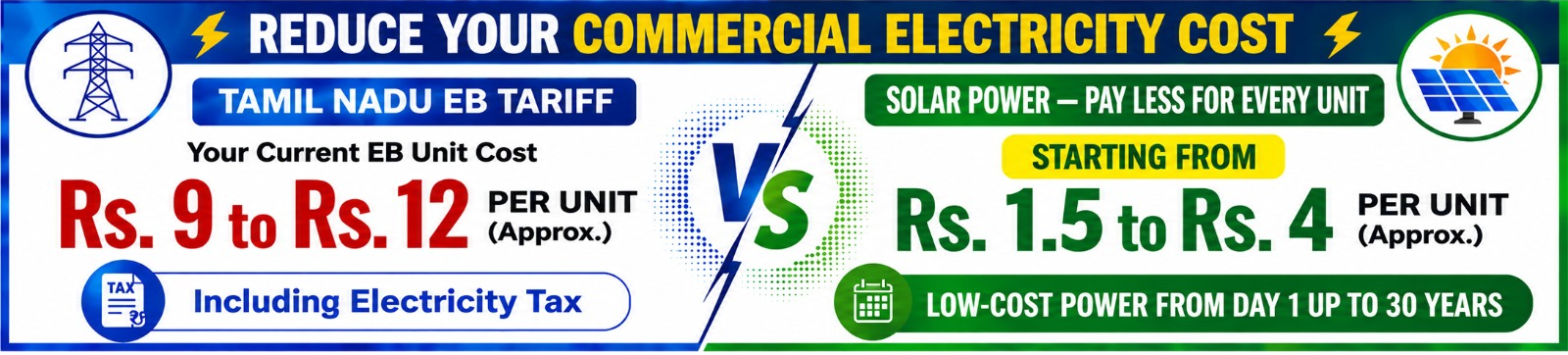
- solar rooftop systems
- renewable open-access procurement
- waste heat recovery systems
Renewable Energy Adoption
Tamil Nadu is one of India’s leading renewable energy states. Many factories are increasingly integrating solar and wind power into their energy mix.
Renewable energy adoption allows companies to stabilize electricity costs while improving sustainability.