
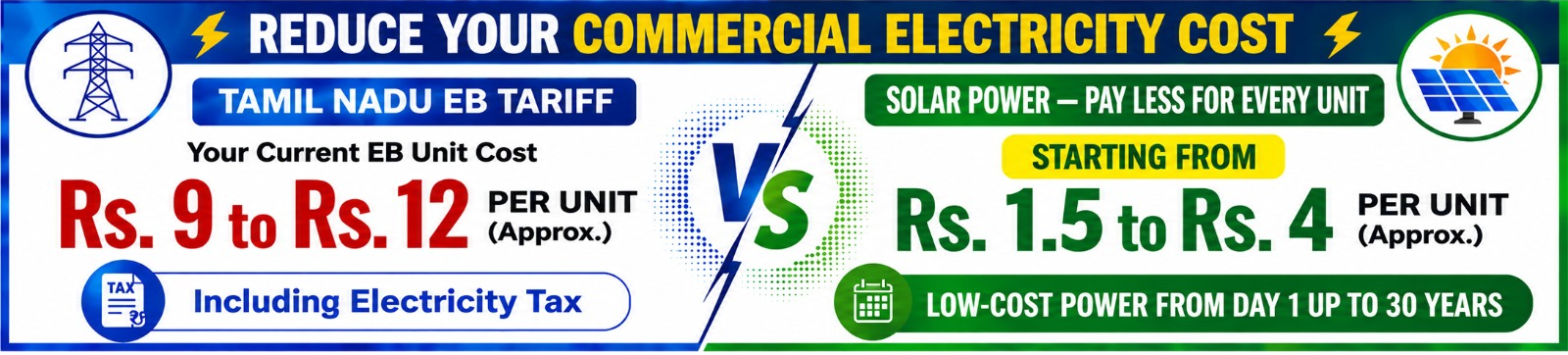
In a landmark move to bolster India’s renewable energy sector and provide financial relief to its citizens, Prime Minister Narendra Modi introduced the PM Surya Ghar: Muft Bijli Yojana in February 2024. The ambitious scheme aims to install rooftop solar systems in one crore households, empowering them with up to 300 units of free electricity every month. With electricity costs on the rise, the government’s offer of a subsidy of up to ₹78,000 makes this the most opportune moment to transition to solar energy. But is the electricity truly free? This comprehensive guide will delve into the costs, the application process, and the often-overlooked challenges to help you make an informed decision.
What is PM Surya Ghar: Muft Bijli Yojana?
The PM Surya Ghar: Muft Bijli Yojana is a central government initiative designed to promote the adoption of residential rooftop solar power. The core objectives of the scheme are to foster energy independence for households, significantly reduce the nation’s carbon footprint, and provide tangible financial relief to poor and middle-class families. This program is a significant upgrade from previous solar initiatives, offering a higher subsidy and a more streamlined application process through a dedicated national portal, making it more accessible to the average citizen.
The Subsidy Breakdown: How Much Will You Actually Get?
The financial assistance provided under the PM Surya Ghar Yojana is a direct benefit transfer (DBT) to the consumer’s bank account, making the process transparent and efficient. The subsidy is structured based on the capacity of the solar plant, with a clear incentive to encourage smaller, residential installations.
Here is a clear breakdown of the subsidy structure:
| System Capacity | Subsidy Amount |
|---|---|
| Up to 2 kW | ₹30,000 per kW |
| 2 kW to 3 kW | ₹60,000 for the first 2 kW + ₹18,000 for the 3rd kW |
| Above 3 kW | ₹78,000 (Maximum Capped Subsidy) |
For larger residential complexes, such as Group Housing Societies (GHS) and Resident Welfare Associations (RWA), the scheme provides a subsidy of ₹18,000 per kilowatt for common facilities, including EV charging stations, up to a capacity of 500 kW. Furthermore, several states, including Uttar Pradesh, Kerala, and Assam, offer additional top-up subsidies, providing an extra layer of financial incentive for their residents. It is advisable to check your respective state’s energy department website for any such additional benefits.
Eligibility & Technical Requirements
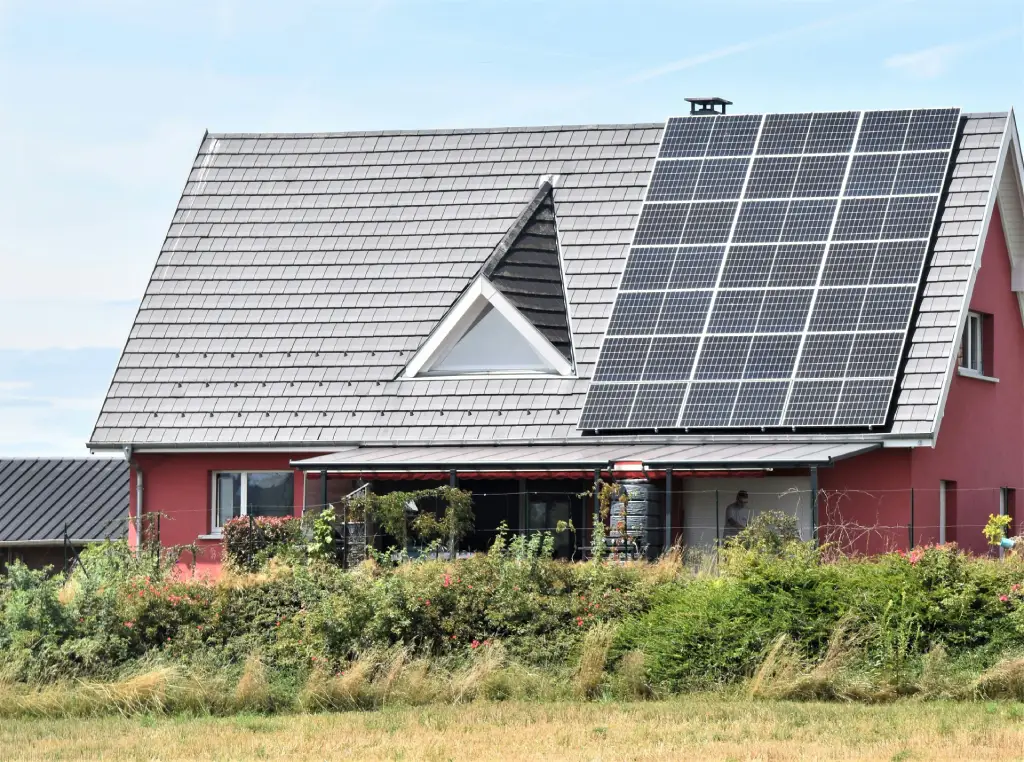
To avail the benefits of the PM Surya Ghar: Muft Bijli Yojana, applicants must meet specific criteria. Firstly, the applicant must be an Indian resident with a valid electricity connection. Secondly, the scheme is primarily aimed at poor and middle-income households. Thirdly, a crucial requirement is the availability of a suitable rooftop for solar panel installation. This includes considerations for the roof type (e.g., RCC, tin shed, or elevated structures) and ensuring a shadow-free area, typically around 100 square feet per kilowatt of solar capacity. Finally, the household must not have previously availed any other central government subsidy for solar panel installation.
Step-by-Step Application Guide
The application process for the PM Surya Ghar: Muft Bijli Yojana has been streamlined through a dedicated online portal. Here’s a detailed breakdown of the steps involved:
Phase 1: Registration on the National Portal
- Visit the Official Portal: Navigate to the official PM Surya Ghar portal https://solarrooftop.pmsuryaghar.gov.in/.
- Consumer Login: Click on the ‘Consumer’ option and select ‘Apply Now’.
- Verify Mobile Number: Enter your mobile number, the captcha code, and click ‘Verify’. An OTP will be sent to your mobile number.
- Login: Enter the OTP and click ‘Login’.
- Provide Details: Fill in essential details such as your consumer name, email, address, state, district, and PIN code, then click ‘Save’.
Phase 2: Feasibility Approval
After submitting your application, it will be reviewed by your respective Electricity Distribution Company (DISCOM). They will assess the technical feasibility of installing a rooftop solar system at your location. This phase is crucial, and approval from DISCOM is mandatory before proceeding.
Phase 3: Vendor Selection & Installation
- Select a Vendor: Once feasibility approval is granted, you will need to select an empanelled vendor from the list provided on the portal. It is highly recommended to choose a vendor registered with your DISCOM to ensure a smooth process.
- Installation: The selected vendor will proceed with the installation of the rooftop solar plant.
Phase 4: Inspection & Subsidy Release
- Vendor Submission: After installation, the vendor will submit the installation details to you and to the DISCOM.
- DISCOM Inspection: The DISCOM will conduct a final inspection to ensure compliance with all technical standards and scheme guidelines.
- Certification & DBT: Upon successful inspection and certification, the subsidy amount (up to ₹78,000) will be transferred directly to your bank account via Direct Benefit Transfer (DBT) within 30 working days. This ensures that the financial assistance reaches the beneficiary without intermediaries.
The “Reality Check” – Navigating the PM Surya Ghar Journey
While the PM Surya Ghar: Muft Bijli Yojana presents an incredible opportunity, it’s essential to be aware of potential hurdles and how to navigate them effectively. Our research indicates that many guides overlook the practical challenges faced by applicants. Here, we bridge that gap with a “reality check” to ensure a smoother transition to solar.
Financing Hurdles: Beyond the Subsidy
Many articles mention “low-interest loans” but lack specifics. The good news is that several public sector banks are actively supporting the scheme with collateral-free loans at competitive interest rates, typically around 7%. These include prominent banks like the State Bank of India (SBI), Punjab National Bank (PNB), and Canara Bank. When approaching these institutions, ensure you inquire about the specific PM Surya Ghar loan products, as they are tailored to the scheme’s requirements. Understanding the loan terms, repayment schedules, and any associated processing fees upfront will prevent surprises.
The Vendor Vetting Checklist: Choosing the Right Partner
The official guidelines emphasize selecting an “empanelled vendor.” However, simply choosing from a list isn’t enough. Here’s a critical checklist to vet your solar vendor:
- Experience and Reputation: Ask for references and examples of past installations in your area. A reputable vendor will gladly provide these.
- Warranty Terms: Differentiate between product warranties (panels, inverters) and installation warranties. Ensure clarity on who is responsible for maintenance and repairs for the entire 25-year lifespan of the system.
- Hidden Costs: Clarify all costs upfront, including wiring, mounting structures, net metering charges, and any potential maintenance contracts. A transparent vendor will provide a detailed breakdown.
- After-Sales Service: What is their response time for service requests? Do they offer cleaning services or monitoring solutions? A solar system is a long-term investment, and reliable after-sales support is crucial.
- Subsidy Paperwork Assistance: Ensure the vendor is experienced in handling the subsidy application process and can guide you through the necessary documentation to avoid rejections.
Navigating Delays: What to Do When Things Slow Down
While the scheme promises subsidy disbursement within 30 days of commissioning, real-world scenarios can sometimes involve delays due to DISCOM inspection backlogs or administrative processes. If you encounter such delays, here’s what you can do:
- Follow Up Regularly: Maintain consistent communication with your vendor and DISCOM. Keep records of all correspondence.
- Utilize Grievance Redressal: The official PM Surya Ghar portal often has a grievance redressal mechanism. Use it to escalate your concerns.
- Contact State Nodal Agencies: Each state has a nodal agency for renewable energy. They can often assist in expediting processes.
Net Metering Myths: Understanding the “Buy vs. Sell” Dynamic
Net metering allows you to sell surplus electricity back to the grid, generating income. However, a common misconception is that DISCOMs pay the same rate for the electricity they buy from you as they charge you. In reality, the buy-back rate is often lower than the retail electricity tariff. Therefore, it’s generally more financially beneficial to size your solar system to meet your consumption needs rather than significantly oversizing it with the sole aim of selling large amounts of power back to the grid.
ROI & Long-term Benefits
- Rapid Payback Period: With the substantial government subsidy and savings on electricity bills, most homeowners can expect their investment to pay for itself within 3-5 years. After this period, the electricity generated is essentially free, leading to substantial savings over the system’s lifespan.
- 25-Year Lifespan: Modern solar panels come with a performance warranty of 25 years or more, ensuring a consistent supply of clean energy for decades. Regular cleaning and basic maintenance can help maximize efficiency throughout this period.
- EV Integration: For electric vehicle owners, rooftop solar offers an unparalleled advantage. Charging your EV with solar-generated electricity can effectively eliminate fuel costs, making your commute virtually free and significantly reducing your carbon footprint.
- Income Generation: Beyond savings, selling surplus electricity back to the grid through net metering provides an additional stream of income, further enhancing the financial viability of the system.
Common Challenges & Solutions
- “What if I live in a rented house?” The scheme primarily targets homeowners with ownership of the rooftop. Tenants typically cannot apply unless they have explicit permission and a long-term agreement with the landlord, and the landlord applies.
- “Can I shift the panels if I move?” While technically possible, relocating a rooftop solar system can be complex and costly. It often involves dismantling, transporting, and re-installing, which may not be economically viable.
- “Does it work during monsoons/cloudy days?” Solar panels generate less electricity on cloudy days and during monsoons, but they still produce power. The grid-tied system ensures you have continuous electricity supply from the grid when solar generation is low.
- “Is the subsidy available for off-grid systems?” No, the PM Surya Ghar: Muft Bijli Yojana subsidy is specifically for grid-tied rooftop solar systems that are connected to the electricity grid and utilize net metering. Off-grid systems, which are independent of the grid and typically use batteries for storage, are not covered under this scheme.
Conclusion
The PM Surya Ghar: Muft Bijli Yojana is more than just a subsidy scheme; it’s a catalyst for a sustainable and energy-independent future for Indian households. While the journey to solar adoption may have its nuances, the long-term financial benefits, environmental impact, and the promise of up to 300 units of free electricity make it a truly worthwhile investment. By understanding the process, vetting your vendors carefully, and being prepared for potential challenges, you can confidently embark on your solar journey and contribute to a greener India. Check your eligibility on the official portal today and take the first step towards zero electricity bills.